
Intel introduced the Core Ultra Series 3 at CES 2026, marking a significant milestone for the company. This is the first platform built on the advanced Intel 18A process technology, developed and manufactured entirely in the United States. Intel states these chips will power the next generation of artificial intelligence computers, offering improved speed and extended battery life for users worldwide.
The Las Vegas event drew significant attention for this reveal. Intel executives demonstrated how the new chips enhance all aspects of modern computing. The Core Ultra Series 3 will be featured in over 200 laptop designs, with global partners launching these systems this month. This release marks Intel’s most widely available AI platform to date, making advanced technology accessible at a range of price points.
Jim Johnson, a senior leader at Intel, shared his excitement during the main presentation. He noted that the team focused heavily on saving power. They also wanted to create a graphics unit that stands in a class of its own. Because of these efforts, the chips handle complex tasks with ease. Users can expect better compatibility with their favorite apps and software programs. Therefore, the transition to these new AI PCs should be smooth for everyone.
The mobile lineup features high-end X9 and X7 models designed for power users, offering Intel’s most advanced integrated graphics to date. These processors suit gaming and content creation, with some models offering up to 16 cores for multitasking. Gaming is 77% faster than before, and laptops with these chips last up to 27 hours per charge.
Intel also introduced a mainstream lineup focused on efficiency and affordability. These chips share the same core technology as premium models, letting students and office workers access AI at lower cost. This approach broadens access to advanced technology while maintaining strong performance across all price points.
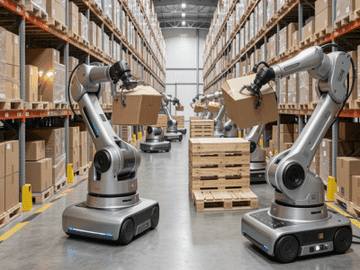
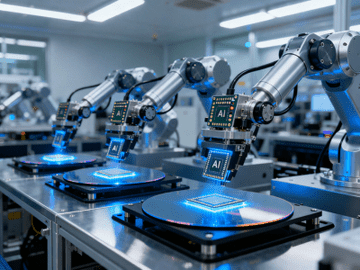
This launch extends beyond personal computers and laptops, as Intel is deploying these processors in robotics and smart city applications. The designers built the edge processors to withstand extreme temperatures and operate continuously. They will support factory automation and enhance healthcare systems worldwide. For example, these chips process language models nearly twice as fast as previous versions, ideal for smart machines.
Consolidating these functions into a single chip reduces costs for businesses, replacing traditional systems that require multiple components. This integrated solution delivers improved video analysis and faster vision processing for industrial applications. As a result, companies can develop smarter robots more cost-effectively, potentially transforming how cities manage traffic and safety.
Pre-orders for the first laptops begin on January 6, 2026, with global availability in stores starting January 27. Additional designs will release in the first half of the year, and business systems will ship in Q2. Intel aims to lead the AI market with this new hardware.