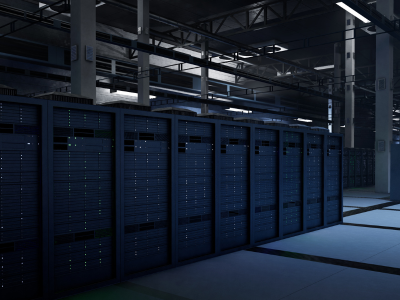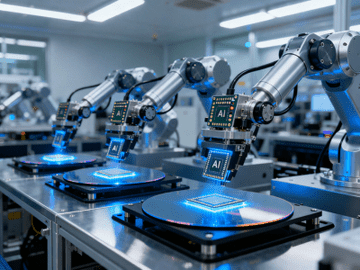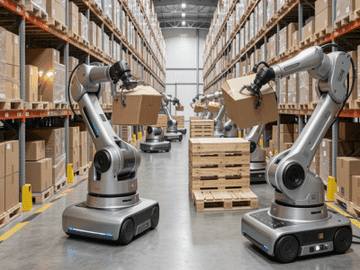

Step inside any massive distribution center today, and you will notice that the old ways of moving inventory are quickly changing. For years, keeping up with online shopping orders meant hiring hundreds of workers to walk miles of aisles every single day. Early technology helped cut down on this walking time, but facilities still struggled to keep up during busy holiday shopping seasons. Relying solely on basic tools often left companies facing unexpected bottlenecks when order volumes suddenly spiked. Today, leading facilities are completely changing how they manage their inventory by adopting fully autonomous warehouse automation networks. This smart approach does not just make workers faster; it allows the building to think and adapt on its own. By bringing these advanced systems into your daily workflows, you can cut down on physical mistakes and keep your shipments moving smoothly around the clock.
Locus Robotics Pushes Fulfillment Automation Beyond Productivity
The warehouse robotics market is expanding rapidly as major brands look for ways to protect their supply chains from labor shortages. This strong growth trend shows that top companies are moving away from fixed, permanent conveyor setups and choosing smart, mobile machines instead. By putting adaptive technology right into their existing buildings, U.S. logistics leaders are making their daily shipping operations much faster. Because keeping up with fast customer shipping demands is so important across North America, local distribution hubs are upgrading their technical setups right now. Currently, the US maintains dominance with the largest share in the Warehouse Robotics market, making it the absolute epicenter for next-generation logistics technology.
Autonomous Fulfillment Systems Redefine Modern Warehouse Operations
To stay truly competitive, a modern business needs an intelligent network that connects every single part of the building together. Switching to modern autonomous fulfillment systems allows companies to move past the limits of older, isolated machinery. Instead of having separate tools that do not talk to each other, a smart warehouse uses a unified system to manage the entire floor. These intelligent networks constantly look at incoming orders and instantly decide which machine should handle each specific task. This level of synchronization keeps packages moving seamlessly from the shelves straight to the delivery trucks without any human delay. Making this shift protects your daily business operations from unexpected disruptions while ensuring that your customer service levels stay excellent.
Nexera Robotics Acquisition Expands AI-Driven Warehouse Automation
The biggest hurdle for modern logistics systems has always been teaching a machine how to handle millions of different product shapes. Many facilities end up stuck using basic suction cups that drop items or fail completely when trying to pick up soft clothing bags. To solve this problem, Locus Robotics recently purchased a specialized tech company called Nexera Robotics to expand its AI-driven warehouse systems. This major acquisition brings advanced grasping tools directly into the main software platform, giving machines a much better way to interact with real-world inventory. It allows companies to deploy highly reliable next-generation warehouse automation without having to rebuild their entire facility from scratch.
NeuraGrasp™ Technology Solves Complex Robotic Manipulation Challenges
Trying to pick up a loose t-shirt, a small bottle of medicine, and a smooth plastic box requires an incredible amount of flexibility. Traditional automated systems usually fail here because they need a perfectly flat, airtight surface to lift anything up. The introduction of patented NeuraGrasp technology completely changes the game by using a flexible membrane that physically molds itself to almost any item. This advanced robotic manipulation technology uses smart sensors and computer vision to adjust its grip instantly based on what it is touching. It allows a single machine to handle awkward, delicate, or oddly shaped items without dropping them or slowing down the line. By mastering this difficult task, companies can finally automate the long tail of irregular products that used to require manual human handling.
Locus Array Enhances High-Throughput Autonomous Picking Operations
When you need to process thousands of orders every hour, you cannot afford to have machines stopping to change out their tools. Deploying the advanced Locus Array system into your facility brings powerful robotic picking systems straight into the inventory aisles. These mobile units work continuously across every shift, performing everything from initial product picking to restocking shelves. Because the system utilizes a flexible warehouse robotics platform, it adapts naturally to your existing shelf layouts and tote setups. This high-density approach helps businesses dramatically increase their hourly output while maximizing the use of their current storage space. It provides a highly reliable way to maintain maximum speed, even when your overall order profiles change without warning.
AI Orchestration Improves Warehouse Flexibility and Cost Efficiency
Running a successful distribution hub requires making smart, split-second decisions about where to send your equipment. Utilizing advanced AI warehouse orchestration software removes the guesswork by coordinating whole fleets of mobile warehouse robots simultaneously. The central brain tracks every asset in real time, shifting machines to busy areas of the building before a backup can form. This smart software layer ensures that your equipment is always doing the most valuable work possible at any given moment. Improving your overall supply chain automation this way keeps your cost per pick as low as possible while giving you the freedom to scale up effortlessly.
Mobile Manipulation Technology Accelerates Lights-Out Fulfillment Centers
The ultimate goal for many modern supply chain leaders is building a facility that can run completely on its own during late-night shifts. Implementing advanced autonomous mobile manipulation brings companies closer than ever to operating true lights-out warehouses. These highly independent systems handle the entire fulfillment process, from picking an item off the shelf to placing it directly into a shipping box. By combining physical mobility with smart gripping capabilities, these machines keep production moving around the clock without needing constant human oversight. This constant level of productivity helps businesses fulfill orders much faster, giving them a massive advantage in today's fast-paced retail market.
Future Outlook for Fully Autonomous Warehouse Automation
The rapid evolution of robotic fulfillment technology points toward a future where logistics networks are completely self-sufficient. Moving forward, the widespread use of an intelligent warehouse AI platform will change how businesses manage their entire supply chains. We are heading into an era where intelligent warehouse operations will automatically adjust their own workflows based on seasonal buying trends. By embedding autonomous warehouse automation deeply into your daily business, you can easily handle volume spikes and ensure your company is ready for the future. The days of relying on slow, manual warehouse processes are officially over, clearing the path for truly remarkable, high-speed shipping solutions.