
Amazon’s acquisition of Fauna Robotics marks a significant step in its expansion into consumer-focused robotics. The New York–based startup is recognized for developing “approachable” humanoid robots for home and business use. This acquisition enhances Amazon’s investment in AI-powered personal robots and supports its strategy to integrate physical automation with consumer technology.
The acquisition immediately places Amazon at the center of the U.S. humanoid robotics race. The American market has quickly become a proving ground for human-friendly robots as companies explore smarter automation for homes, logistics, and last‑mile delivery. Amazon said it aims to pair Fauna’s technology with its existing strengths in devices, retail, and home services. This approach could help the company shape a new era of intelligent home automation robots that work alongside customers in everyday settings. It also aligns with Amazon’s broader interest in robotics within U.S. e‑commerce, where demand for automation continues to surge across fulfillment and delivery networks.
Founded in 2024 by former Meta and Google engineers, Fauna Robotics gained recognition with the launch of Sprout, its first commercial product. Sprout is a bipedal robot, 3 feet 6 inches tall, weighing approximately 50 pounds and priced at about $50,000. Designed for stability and user-friendliness, Sprout is accessible to developers building applications for home-use humanoid robots, making it a valuable platform for consumer robotics innovation.
Amazon said that Fauna’s 50 employees will join the company in New York and continue to operate as “Fauna Robotics, an Amazon company.” CEO Rob Cochran said he is excited to bring Fauna’s work into Amazon’s long-term AI robotics expansion. He emphasized that joining Amazon will help Fauna scale its human-friendly robots faster while improving robotics hardware development and software capabilities.
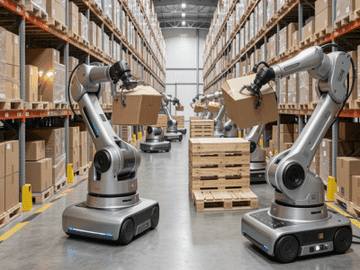
Amazon’s latest purchase arrives only days after it bought Rivr, a Swiss robotics startup focused on doorstep delivery automation. Together, the deals signal a broader Amazon robotics acquisition strategy that strengthens both the home robotics portfolio and automation in logistics. These acquisitions follow a decade-long robotics journey that began with the 2012 purchase of Kiva Systems, the backbone of Amazon’s warehouse automation network.
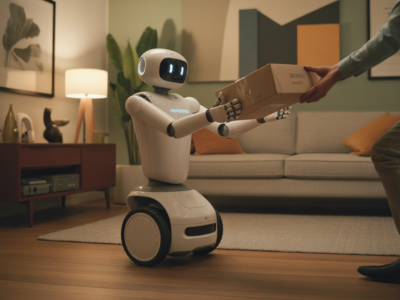
This deal also signals renewed interest in Amazon’s personal robot development. The company previously launched Astro, a small wheeled home robot, in 2021, though it remains available by invitation only. Integrating Fauna’s humanoid robots could enable Amazon to develop more advanced home systems that combine AI-driven interaction with mobility. Analysts suggest this move will help Amazon compete with emerging humanoid robot offerings from Tesla, Figure AI, Apptronik, and Agility Robotics.
The potential integration of Sprout into Amazon’s robotics roadmap opens new possibilities for smart assistant robots that blend AI with physical tasks. Amazon’s decades of consumer trust and its deep ecosystem of home devices could give it an advantage in deploying humanoid robots that Amazon customers feel comfortable inviting into their homes. The company also sees clear value in applying Fauna’s technology to last‑mile operations, warehouse tasks, and customer-facing automation.
Moreover, interest in humanoid robots continues to rise across the tech sector. Tesla is pushing ahead with its Optimus robot and even plans an “Optimus factory” capable of producing up to a million units a year. Several U.S. startups, such as 1X and Figure AI, are raising large funding rounds to accelerate development. Amazon’s entry through Fauna strengthens competition in a market that is quickly transitioning from prototypes to real‑world deployment.
The humanoid robot market is expanding as companies focus on affordable hardware, advanced artificial intelligence, and multi‑purpose functionality. Firms are designing humanoids for homes, factories, and logistics, creating new commercial opportunities and driving rapid innovation. With increased investment, the market is expected to move toward mass deployment within the next decade.
By acquiring Fauna Robotics, Amazon signals that humanoid robots will be central to its future strategy. Combining Fauna’s human-friendly designs with Amazon’s AI expertise and global reach, the company aims to advance robotics so that personal robots become part of everyday life.