
Adults increasingly choose orthodontic treatment to improve both confidence and oral health. As a result, orthodontic brackets have become popular worldwide. Many adults now recognize the importance of straight teeth for professional appearance and long-term dental wellness. Moreover, modern orthodontic technology offers comfortable and discreet solutions that fit adult lifestyles perfectly. Nearly one in three orthodontic patients today is an adult. This growing number highlights changing attitudes toward dental aesthetics and oral care. Adults no longer consider braces suitable only for teenagers. Instead, they actively seek advanced orthodontic brackets for healthier and more attractive smiles.
In the United States, nearly 4 million people wear braces or clear aligners annually for orthodontic correction and smile enhancement. Additionally, malocclusion remains highly common, with nearly 60% of the population showing a clinical need for orthodontic treatment. Traditional metal braces and aesthetic orthodontic brackets continue to remain popular despite the increasing demand for aligners. Furthermore, adults now represent more than one-third, nearly 32%, of orthodontic patients nationwide. According to orthodontic industry estimates, approximately 25% to 30% of orthodontic patients in the United States today are adults. This increasing number reflects growing awareness regarding oral health, appearance, and confidence among adult patients.
Why Adults Are Choosing Orthodontic Brackets
Several important factors in the rising need for orthodontic brackets by adults include the following. First, today people realize the importance of having properly aligned teeth because misaligned teeth can make brushing and flossing ineffective. Consequently, plaque buildup, gum disease, and tooth decay may develop over time. Additionally, adults are now equally concerned about their appearance when engaging socially and at professional forums. With the advent of video conferencing and social media usage, awareness of one’s dental imperfections has significantly increased. Therefore, many adults choose orthodontic brackets to achieve straighter teeth and enhanced confidence.
Furthermore, modern orthodontic treatments are far less conspicuous and more comfortable than regular braces. Ceramic brackets and invisible braces offer discreet orthodontics that enable working adults to pursue their activities without worrying about appearance during treatment.
Understanding Orthodontic Brackets
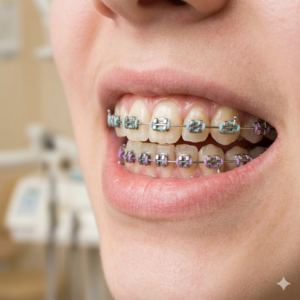
Orthodontic brackets are small attachments fixed onto teeth during braces treatment. These brackets hold wires that gradually move teeth into proper alignment. Orthodontists carefully adjust these wires throughout treatment to achieve the desired results. There are different types of orthodontic brackets available for patients today, depending on their preferences and dental condition. Traditional metal braces still do a great job of treating severe misalignment problems. Ceramic brackets are more aesthetically pleasing, as they blend naturally with tooth color. Another new option for adults who want invisible treatment is lingual brackets. Orthodontists put these brackets behind the teeth, making them completely hidden during conversations or meetings. Although lingual braces may require adjustment initially, many adults appreciate their discreet appearance.
Health Benefits of Orthodontic Brackets
Orthodontic brackets provide several health advantages beyond cosmetic improvement. Properly aligned teeth allow easier cleaning and better oral hygiene maintenance. Consequently, patients experience reduced risks of cavities and periodontal disease after treatment completion. Additionally, aligned teeth also enhance speech pronunciation and improve overall oral functionality in many patients. In adults suffering from overcrowding or spacing of teeth, there is usually improvement noted in terms of functionality following treatment. Hence, orthodontic brackets serve an aesthetic and a functional purpose. Moreover, straight teeth improve speech clarity and overall mouth function in many patients. Adults with severe crowding or spacing issues often experience noticeable functional improvements after treatment. Therefore, orthodontic brackets support both aesthetics and long-term oral wellness.
Advances in Orthodontic Technology
Modern orthodontics has changed a lot in recent years. Today’s orthodontic brackets are smaller, smoother, and more comfortable than their predecessors. As a result, adults experience less irritation during treatment than with traditional braces of previous decades. Digital scanning technology also increases the accuracy of treatment planning by a large margin. Today, orthodontists use precise digital models instead of uncomfortable physical impressions. These innovations allow specialists to accurately predict tooth movement and reduce the duration of treatment.
In addition, self-ligating brackets greatly reduce the friction between wires and brackets. These advanced systems typically require fewer appointments and result in faster tooth movement. Practical advances in treatment appreciated by busy adults. Adults looking for an orthodontic solution that is nearly invisible have also found clear aligners to be popular. However, for complex alignment problems where precise control is needed, orthodontic brackets continue to be the preferred method. Orthodontists carefully diagnose every patient before suggesting appropriate treatment options.
Challenges Adults Face During Orthodontic Treatment
Orthodontic brackets produce excellent results, even though adults may have some difficulty with treatment at first. Adult teeth move more slowly because jawbones have developed over time. Treatment may therefore take slightly longer than for teenage patients. Moreover, many individuals already possess crowns or fillings or suffer from gum disease that requires special attention during orthodontic treatment. The orthodontists usually collaborate with general dentists to make sure that overall oral health is sustained during the treatment period.
Dietary changes are also required with orthodontic brackets. Sticky or hard foods can easily break brackets or wires. Hence, it would be necessary for patients to adhere to the advice of an orthodontist to avoid any complications. Despite these challenges, most adults adapt successfully within several weeks after treatment begins. Regular follow-up appointments and proper oral hygiene help ensure successful outcomes throughout orthodontic care.
The Psychological Impact of Orthodontic Brackets
Orthodontic brackets often improve emotional well-being and self-esteem significantly among adult patients. Many individuals previously avoided smiling confidently because of crooked or crowded teeth. After orthodontic treatment, patients frequently report improved confidence during social and professional interactions. Straighter teeth also help make a good first impression in the workplace and social settings. Adults are more comfortable speaking in public or attending important meetings once they improve their smiles. Therefore, orthodontic brackets have a beneficial effect on personal and professional development. Social acceptance of adult braces has also increased dramatically in recent years. Celebrities, professionals, and influencers openly talk about orthodontic treatments without embarrassment. Therefore, orthodontic brackets are now a common investment that adults make for their appearance and personal well-being.
Strategic Outlook
The need for orthodontic brackets in adults is steadily rising as people today appreciate having good oral hygiene and beautiful teeth. Modern techniques of orthodontics are now available, which are highly efficient, comfortable, and discreet for adult patients. In addition to this, orthodontic brackets serve not only aesthetic purposes but also help maintain dental functionality.
Adults today realize that there is so much value in orthodontic braces, which go beyond aesthetic improvement. Straightened teeth contribute to good hygiene, boost self-confidence, and improve oral health. In this case, braces have become necessary among adults in their quest for dental improvement. With growing awareness, there will be many adults getting braces in the future.