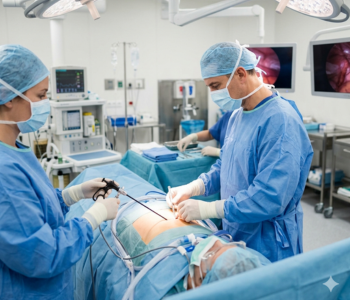

Abdominal wall hernias represent one of the most common conditions requiring surgical intervention worldwide. Modern hernia repair procedures have evolved significantly, offering patients safer treatments and stronger long-term outcomes. Today, surgical mesh plays a central role in reinforcing weakened tissues and reducing recurrence risks. As a result, many patients benefit from durable repairs and improved quality of life following surgery.
The growing prevalence of hernias makes understanding treatment options increasingly important. According to the U.S. Food and Drug Administration (FDA), more than one million hernia repair surgeries occur annually in the United States. Globally, healthcare providers perform an estimated 20 million procedures each year. Therefore, patients should understand available surgical techniques, anesthesia options, and recovery considerations before undergoing treatment.
Understanding Hernias and Their Impact
A hernia develops when an internal organ or tissue pushes through a weak area within the surrounding muscle or connective tissue. Although hernias can occur in several locations, abdominal wall hernias remain among the most frequently diagnosed types. Without treatment, these conditions may enlarge over time and create increasing discomfort.
Among all cases, inguinal hernias are the most common. According to FDA data, inguinal hernias account for approximately 800,000 annual hernia repair surgeries in the United States. Additionally, men are eight to ten times more likely than women to develop this condition. The risk also increases with age, with the highest occurrence observed among individuals between 75 and 80 years old. Because hernias rarely resolve without intervention, many patients eventually require surgery. Consequently, surgeons focus on techniques that provide lasting support while minimizing recurrence risks.
Understanding Mesh in Hernia Repair
Surgical mesh is a medical device used during hernia repair to help strengthen weak tissue and support healing. The mesh acts as a reinforcement structure, providing additional stability to the damaged area. The mesh structure allows the surrounding tissues to grow into it. The repair gets stronger and more durable over time.
Unlike traditional suture-only methods, mesh-based hernia repair distributes tension across a larger area. Therefore, the repaired tissue experiences less strain during daily activities and physical movement. This added support helps improve long-term surgical outcomes while reducing the likelihood of recurrence. In addition, modern meshes are designed to interface well with surrounding tissues. This allows surgeons to make repairs that preserve strength while allowing natural healing processes.
The Evolution of Hernia Repair Techniques
The practice of hernia repair has changed dramatically over the last few decades. In early times, the surgeon had only to stitch the abdominal tissues together without additional reinforcement. Many hernias could be fixed this way, but tension was placed on the abdominal wall. Over time, surgeons recognized that tension-free repairs could improve outcomes. Consequently, medical researchers developed specialized mesh materials that strengthened repairs while minimizing stress on surrounding tissues. These innovations transformed the way surgeons approach hernia treatment. Modern mesh technologies benefit from enhanced pliability, resilience, and tissue integration. The development of minimally invasive surgical procedures means patients are recovering much faster compared to previous generations. These advancements continue to improve both patient satisfaction and long-term success rates.
How Mesh Strengthens Long-Term Results
The main purpose of mesh hernia repair is to give durable support to the weakened areas of the natural tissues. After placement by surgeons, the mesh gradually becomes incorporated into the abdominal wall by the surrounding tissues. This will add extra structural strength to the area being repaired. This reinforcement provides several key advantages. First, the mesh distributes the pressure over a larger surface area, lessening the strain on any one tissue. Secondly, it helps to build the muscles while healing. Thirdly, it helps to keep the repair intact during everyday motions and physical activities. The mesh is incorporated into the tissue structure of the body, which is why patients experience the benefit of increased long-term stability. Therefore, many surgeons consider mesh to be an important part of successful hernia repair procedures.
Types of Mesh Used in Hernia Repair
Surgeons select mesh materials based on the patient's condition, medical history, and surgical goals. Each category offers distinct advantages for specific situations.
- Synthetic Mesh: Synthetic mesh is the most common material used in hernia repair procedures. Most often, these materials are made of durable polymers designed to provide long-term support. These meshes provide a permanent reinforcement and promote tissue integration.
- Biologic Mesh: Biologic mesh is made from processed human or animal tissue materials. Surgeons may recommend these products for complex cases requiring specialized treatment approaches. Biologic mesh can also support healing and slowly integrate into the body.
- Composite Mesh: Composite mesh is made of more than one material to achieve specific surgical goals. These designs generally include protective layers that also reduce tissue attachment in sensitive areas. Therefore, surgeons choose composite mesh when performing certain types of surgery and at certain hernia locations.
Benefits of Mesh-Based Hernia Repair
There are several advantages to mesh-supported hernia repair, which explain the popularity of the technique in modern surgery. One of the most important advantages is the lower incidence of hernia recurrence. As the mesh reinforces the weakened tissues, it also offers better protection against failure in the future, and hence the patient benefits from better and more permanent results.
Mesh reinforces vulnerable areas within the abdominal wall. Therefore, repaired tissues can better withstand the pressure generated during normal activities, including lifting, bending, and exercise. Mesh works as a support structure on which the tissue will grow and integrate. This enables the body to produce a more stable repair while it heals. Patients may feel more confident in returning to their daily life when mesh is used for a hernia repair, as the extra support is present during normal movement without the risk of weakening the repair.
Strategic Outlook
Modern hernia repair surgery has transformed the treatment of abdominal wall hernias through the use of advanced mesh technology. With more than one million procedures performed annually in the United States and approximately 20 million worldwide, hernia repair remains one of the most common surgical interventions today. Mesh strengthens weakened tissues, supports healing, and reduces recurrence risks, making it a valuable tool for long-term success. The continued advances in surgical techniques will provide an ever stronger, longer-lasting repair for hernia patients, restoring their function and confidence.