
Cardiovascular diseases remain one of the most significant healthcare challenges worldwide. As disease prevalence rises, healthcare providers increasingly depend on advanced perfusion technology to support life-saving cardiac procedures and improve patient outcomes. This specialized field combines medical expertise, engineering innovation, and sophisticated life-support systems to maintain circulation and oxygenation during complex surgeries.
The growing burden of cardiovascular diseases highlights the importance of modern cardiac interventions. According to the Centers for Disease Control and Prevention (CDC), cardiovascular disease caused 919,032 deaths in 2023, accounting for approximately one in every three deaths. Similarly, the World Health Organization (WHO) estimated that 19.8 million people died from cardiovascular diseases in 2022, representing nearly 32% of all global deaths. Moreover, heart attacks and strokes accounted for approximately 85% of these fatalities. Therefore, advanced perfusion technology plays a critical role in supporting effective treatment strategies for patients with severe cardiovascular conditions.
Understanding the Growing Burden of Cardiovascular Disease
Cardiovascular diseases (CVDs) are disorders affecting the heart and blood vessels. These conditions include coronary heart disease, cerebrovascular disease, rheumatic heart disease, and several other circulatory disorders. Furthermore, aging significantly increases the risk of developing cardiovascular complications. Structural and functional changes in blood vessels commonly occur among elderly individuals. Consequently, these alterations increase susceptibility to heart disease, stroke, and other cardiovascular disorders.
As the global population continues aging, healthcare systems face growing demands for advanced cardiac treatments and surgical interventions. In response to these challenges, healthcare providers increasingly rely on innovative perfusion technology solutions. These technologies support critical procedures while improving survival rates and enhancing patient recovery outcomes.
What Is Perfusion Technology?
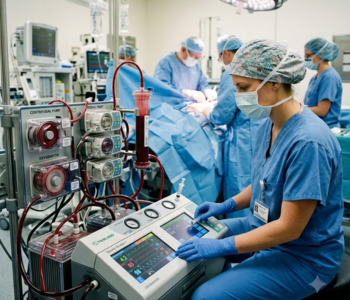
Perfusion technology refers to specialized medical systems, devices, and techniques designed to maintain blood circulation and oxygen delivery during cardiac procedures. These technologies temporarily replace the functions of the heart and lungs, allowing surgeons to perform delicate operations on a motionless heart. A trained perfusionist operates sophisticated equipment that manages blood flow throughout the patient's body during surgery.
Additionally, perfusionists continuously monitor oxygen levels, blood pressure, temperature, and other physiological parameters. Their expertise ensures patients remain stable during complex surgical procedures. The foundation of modern perfusion technology involves extracorporeal circulation. During this process, blood travels outside the body through specialized equipment that oxygenates and pumps blood before returning it to the circulatory system. As a result, surgeons can safely perform intricate cardiac repairs and reconstructions.
Core Principles Behind Perfusion Technology
The main goal of perfusion technology is to provide proper tissue perfusion and oxygenation if the heart fails to perform its normal functions. To achieve this objective, perfusion systems replicate essential cardiovascular and respiratory processes. Blood is diverted from the patient and directed into a heart-lung machine. Subsequently, the blood flows into the oxygenator, where the process of removing CO₂ and exchanging oxygen takes place. Then, oxygenated blood is pumped back into the body's arterial system.
Control of temperature is also an essential part of perfusion technology. Controlled cooling reduces metabolic demands and protects vital organs during lengthy surgical procedures. Later, gradual rewarming restores normal physiological conditions before surgery concludes. These coordinated processes help minimize complications while supporting positive surgical outcomes. Subsequently, gradual warming is induced to revert the physiological processes to normal before completion of the operation.
Essential Devices Used in Perfusion Technology
Modern perfusion technology relies on several advanced devices that work together to support circulation and oxygenation during surgery.
- Heart-Lung Machine: The heart-lung machine serves as the central component of perfusion technology. It performs the functions of the heart and lungs for a limited time; however, blood circulation is maintained.
- Oxygenators: Oxygenators are artificial lungs within the perfusion circuit. They take carbon dioxide out of the blood efficiently and put oxygen in. Consequently, tissues continue receiving adequate oxygen during surgery.
- Blood Pumps: Blood pumps produce the force needed to keep blood flowing through the body. Modern systems offer precise flow control and improved safety mechanisms for better patient management.
- Heat Exchangers: During procedures, heat exchangers are used to help maintain body temperature. They allow for controlled cooling and rewarming and thus protect organs from possible ischemic injury.
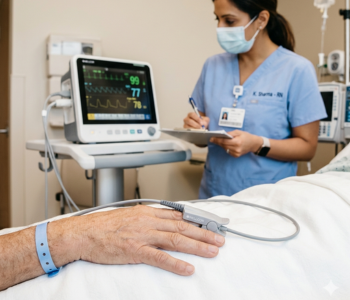
- Monitoring Systems: Sophisticated monitoring systems offer real-time physiological data. These technologies monitor blood flow, oxygen levels, pressure levels, and temperature continuously. Therefore, perfusionists can respond promptly to any clinical changes.
Clinical Applications of Perfusion Technology
The application of perfusion technology extends beyond traditional open-heart surgery. Currently, perfusion technology finds its applications in a wide range of critical and cardiac procedures. Coronary bypass is one of the procedures in which perfusion is still most commonly needed. This system allows the maintenance of circulation to the organs while surgeons restore blood flow around blocked arteries.
Heart valve repair and replacement surgeries also depend heavily on perfusion support. Likewise, congenital heart defect corrections require advanced perfusion techniques to ensure patient stability. Extracorporeal membrane oxygenation, commonly known as ECMO, represents another significant application of perfusion technology. This life-support system provides extended cardiac and respiratory assistance for critically ill patients experiencing severe heart or lung failure. Furthermore, organ transplantation programs increasingly utilize perfusion systems to preserve donor organs and improve transplantation success rates.
Innovations Shaping the Future of Perfusion Technology
Technological advancements continue transforming the field of perfusion technology. Manufacturers are developing smarter systems that improve efficiency, safety, and clinical performance. An important advance is the development of miniaturized perfusion circuits. These minimize the contact between blood and artificial surfaces, reducing inflammatory response and postoperative complications in patients and hence reducing the recovery time.
The future of perfusion technology is also being impacted by artificial intelligence. Sophisticated algorithms can interpret the physiological data, helping with decisions to be made during complex surgeries. In addition to technological advancements, more biocompatible materials also contribute to the increased performance of the devices with less trauma to the blood. Patient outcomes improve, and complication rates drop. Digital integration and remote monitoring systems further improve modern perfusion technology systems. Hospitals are capable of obtaining data for use in their quality improvement and performance evaluation efforts.
Emerging Outlook
The rising global burden of cardiovascular disease points to the need for advanced cardiac treatment solutions. With millions of deaths attributed to cardiovascular conditions annually, healthcare providers require innovative technologies that improve surgical outcomes and patient survival. Perfusion technology has revolutionized the field of cardiac care by enabling complex procedures that would not have been possible otherwise. From advanced heart-lung machines, oxygenators, and monitors to emerging digital innovations, healthcare professionals are able to provide safer and more effective treatment.
As research continues to innovate, perfusion technology will become increasingly important in cardiovascular medicine. In addition, advances in artificial intelligence, miniaturized circuits, and biocompatible materials are expected to dramatically improve patient care. This means patients can look forward to better results, faster healing, and improved long-term cardiovascular health in the future.