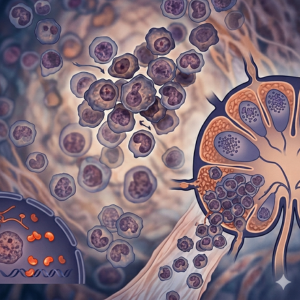

Mantle cell lymphoma is a rare and aggressive subtype of non-Hodgkin lymphoma that originates in the lymphatic system of the human body. This disease develops in B lymphocytes, which are essential white blood cells responsible for fighting infections and maintaining immune system balance.
Understanding Mantle Cell Lymphoma
Mantle cell lymphoma begins in the mantle zone of lymph nodes, where genetic changes transform healthy B cells into malignant cells. These abnormal cells multiply uncontrollably and accumulate in lymph nodes, blood, bone marrow, and other organs throughout the body. Moreover, mantle cell lymphoma belongs to the broader category of non-Hodgkin lymphoma, which includes multiple cancers affecting lymphocytes within the immune system. However, mantle cell lymphoma behaves more aggressively than many other subtypes and spreads rapidly across different areas of the body.
In addition, experts classify mantle cell lymphoma into different forms, including classic and non-nodal types, each showing unique growth patterns and progression rates. While the classic type spreads quickly, the non-nodal variant often grows slowly and may not cause immediate symptoms.
Causes and Risk Factors
Although researchers do not fully understand the exact cause of mantle cell lymphoma, genetic mutations play a significant role in its development. These mutations alter the DNA of B cells, causing abnormal growth and preventing cells from dying naturally. Moreover, the development of mantle cell lymphoma is highly linked with the excessive production of the protein cyclin D1, which controls cell proliferation. The excess production is normally due to chromosome abnormalities that cause uncontrolled cell growth.
Additionally, certain risk factors increase the likelihood of developing mantle cell lymphoma, including older age and male gender. Most patients are diagnosed after the age of 60, indicating a higher prevalence among aging populations. Mantle cell lymphoma, however, is not contagious and cannot be spread through contact, the air, or body fluids. Instead, it comes from within the cell, from gradual changes that occur over time.
Signs and Symptoms
Initially, mantle cell lymphoma may not produce noticeable symptoms, which often delays early diagnosis and detection. However, as the disease progresses, patients begin experiencing various physical symptoms that indicate underlying health issues. Some common signs and symptoms of mantle cell lymphoma include painful lumps in the form of swollen lymph nodes in the neck, under the arms, or in the groin. The patient may have severe tiredness, unexplained weight loss, and recurrent fever that does not resolve with basic treatment.
Moreover, individuals often report drenching night sweats, loss of appetite, and stomach pain caused by enlargement of the spleen or liver. Because the symptoms are similar to those of common diseases, mantle cell lymphoma is often missed until it is in an advanced stage. In some situations, mantle cell lymphoma goes past the lymph nodes to affect the gastrointestinal system, bone marrow, and bloodstream. In such cases, individuals can experience gastrointestinal disorders, fatigue, and body pains that affect their quality of life.
Diagnosis and Staging
Doctors diagnose mantle cell lymphoma using a combination of physical examinations, imaging techniques, and laboratory testing procedures to confirm the disease. Initially, clinicians check for swollen lymph nodes and enlarged organs such as the spleen or liver during a routine physical examination. Next, the health care providers will do a lymph node biopsy. They will look at tissue samples to see if they contain cancer markers that are unique to mantle cell lymphoma. These markers assist specialists in confirming the diagnosis and in correctly differentiating it from other types of lymphoma.
Imaging tests, such as CT scans and PET scans, also help figure out how far mantle cell lymphoma has spread in the body. Bone marrow biopsies may also be performed to evaluate whether cancer has affected deeper tissues and blood-forming structures. After completing these evaluations, doctors assign a stage to mantle cell lymphoma, which reflects the extent and progression of the disease. In many cases, patients are diagnosed at later stages because early symptoms are subtle and often overlooked.
Treatment Advances, Options, and Epidemiology
Recent developments in mantle cell lymphoma treatment have significantly improved patient management and clinical outcomes across multiple regions. The U.S. Food and Drug Administration has granted accelerated approval to sonrotoclax for adults with relapsed or refractory mantle cell lymphoma. This approval represents a major milestone for patients who have already exhausted several conventional treatment options. Moreover, the choice underscores the growing trend toward the use of targeted treatments for difficult-to-treat blood cancers like mantle cell lymphoma. Targeted treatments, which attack molecular pathways, enhance precise treatment strategies and improve patient outcomes.
In addition, epidemiological data confirm that mantle cell lymphoma remains a rare disease despite the increasing number of diagnoses worldwide. In the United States, the annual incidence of mantle cell lymphoma ranges from approximately 4 to 8 cases per 1 million people. In addition, mantle cell lymphoma accounts for about 3% to 10% of all non-Hodgkin lymphomas in adult individuals worldwide, indicating the relatively rare occurrence of this type of cancer. Each year in the U.S., an estimated 3,300 new cases of mantle cell lymphoma are diagnosed, constituting a quantifiable but small burden on healthcare.
Although mantle cell lymphoma remains difficult to cure, several treatment options help manage symptoms and slow disease progression effectively over time. Treatment plans vary depending on the stage of mantle cell lymphoma, patient health, and disease characteristics. Common therapies used for mantle cell lymphoma include chemotherapy, which kills cancer cells that divide quickly and shrinks tumors effectively. Immunotherapy is another common treatment that boosts the immune system and helps the body identify cancer cells more efficiently.
Additionally, targeted treatments address particular molecular pathways associated with cancer development and provide more efficient and safe therapeutic alternatives. Moreover, radiation therapy can also be used to control localized cancers as well as manage specific symptoms in certain patients. In advanced cases, innovative treatment regimens include CAR-T cell therapy and stem cell transplantation for relapsed mantle cell lymphoma. The purpose of such regimens is to prolong the periods of remission in patients.
Prognosis and Outlook
Mantle cell lymphoma usually progresses in an episodic manner, where the condition may resolve temporarily but will usually recur eventually. Even with therapy, while life expectancy is increased, mantle cell lymphoma remains mostly incurable. Nevertheless, the continuous developments in medicine have enabled more effective treatments and brought hope for people who suffer from mantle cell lymphoma. Patients are able to stay in remission for an extended period of time and maintain their quality of life.
Moreover, early diagnosis and personalized treatment strategies play crucial roles in improving prognosis and managing disease progression effectively. Patients who seek timely medical care often experience better clinical outcomes compared to those diagnosed at advanced stages.