
Modern wound management continues evolving as healthcare providers demand faster healing, greater precision, and improved patient outcomes. Consequently, advanced technologies now replace many conventional debridement procedures across hospitals and specialty clinics worldwide. Among these innovations, the hydrosurgery system has emerged as a transformative solution for complex wound treatment.
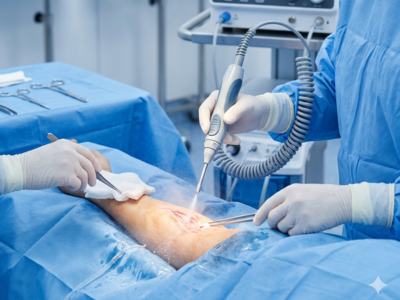
A hydrosurgery system uses a high-pressure sterile saline stream to remove damaged tissue while preserving healthy surrounding structures. Unlike traditional scalpels, this technology supports selective tissue removal with greater control and reduced trauma. As a result, clinicians increasingly adopt these systems for diabetic ulcers, burns, traumatic injuries, and chronic wounds.
Healthcare organizations now prioritize minimally invasive wound care because chronic wounds continue rising globally. Furthermore, aging populations, diabetes prevalence, obesity, and cardiovascular diseases significantly increase long-term wound complications. Therefore, advanced wound debridement technologies are gaining stronger clinical and commercial traction across modern healthcare systems.
Rising Demand Drives Hydrosurgery System Adoption
The growing burden of chronic wounds remains the primary driver behind hydrosurgery system adoption. Diabetic foot ulcers, pressure ulcers, and venous leg ulcers require continuous wound management and precise debridement procedures. Traditional methods often damage healthy tissue and prolong recovery time. However, advanced hydrosurgery technology offers more controlled and efficient treatment outcomes. According to industry findings, nearly one-third of individuals with diabetes may experience foot ulcers during their lifetime. Additionally, millions of diabetic foot ulcer cases occur globally every year. Since infected ulcers frequently result in amputations, clinicians increasingly seek safer and faster wound management technologies.
The hydrosurgery system tackles these problems with selective tissue excision and better wound bed preparation. Furthermore, the technology decreases the bacterial burden and enhances tissue regeneration rates. Thus, medical practitioners can enhance healing rates while reducing the discomfort experienced by patients during the procedure.
Technological Innovation Shapes Next-Generation Systems
Medical technology companies continue to push the boundaries of hydrosurgery systems with better ergonomics, portability, and precision features. These innovations enable clinicians to deliver procedures more efficiently across hospitals, outpatient facilities, and emergency care settings. For example, modern hydrosurgery systems now integrate advanced fluid jet technology for enhanced tissue differentiation and debris removal. Simultaneously, manufacturers design lightweight handheld devices that improve surgical maneuverability. Therefore, healthcare providers can access complex wound sites with greater accuracy and procedural control. Some advanced systems also combine cutting and aspiration functions in one procedure. This dual-action function allows for simultaneous tissue removal and fluid suction. This leads to cleaner treatment environments and reduced operating times by clinicians.
Another factor contributing to the growth of the hydrosurgery system market is the progress made in the domain of digital surgery as well as intelligent health care technology. The application of artificial intelligence, imaging techniques, and data science within surgery is an essential element in the development of the new generation of wound care systems. These technologies may eventually support automated wound analysis and enhanced surgical guidance during debridement procedures. In addition, future hydrosurgery tools may include 3D wound mapping and robotic surgery assistance features. This would help standardize surgical procedures. Therefore, it is innovation that drives development in the area of advanced wound care technologies.
Expanding Applications Across Healthcare Specialties
The hydrosurgery system originally gained popularity in burn care and traumatic wound management. However, with the increasing number of applications, the use of hydrosurgery has been embraced in a wide range of medical disciplines. Hydrosurgical interventions have been gaining popularity in plastic surgery, orthopedic surgery, vascular surgery, and general surgery. Orthopedic surgeons make use of hydrosurgery technology while performing joint surgery and infection treatments. Likewise, reconstructive surgeons apply such technology when preparing wounds for grafting operations. Moreover, chronic wound centers are increasingly adopting the use of hydrosurgery technology in their diabetic foot ulcer therapy program.
Spinal surgery applications also demonstrate growing potential for hydrosurgery technology. Some of the minimally invasive systems now utilize high-velocity saline jets for disc decompression procedures while preserving the surrounding tissue integrity. As a result, the principles of hydrosurgery are being extended beyond the traditional applications of wound management. Additionally, outpatient wound care centers have increasingly begun using portable hydrosurgery systems due to their higher degree of procedure flexibility and patient convenience. Such practices reflect the ongoing movement within healthcare towards ambulatory and value-based care paradigms.
Market Growth Reflects Strong Industry Momentum
The hydrosurgery system market size is projected to remain high during the forecast period because of the rising incidences of chronic conditions and surgical procedures. The hydrosurgery industry's growth is expected to be fast due to developments in wound care techniques.
One of the main factors driving growth in the hydrosurgery systems market is the rising prevalence of chronic wounds. Due to the rise of diseases like diabetes, obesity, and cardiovascular disease worldwide, chronic wounds, including diabetic foot ulcers, pressure ulcers, and venous leg ulcers, are becoming more prevalent. Precision debridement is crucial for encouraging healing and limiting infection because these wounds frequently call for extended therapy and efficient wound bed preparation. According to the American Medical Association, about one-third of people with diabetes will get a foot ulcer at some time in their lives. An estimated 18.6 million people worldwide and 1.6 million in the United States suffer from diabetic foot ulcers each year. Approximately 20% of these ulcers result in partial or total foot amputation, and about 50% of them get infected. North America currently leads the market due to advanced healthcare infrastructure and strong adoption of innovative surgical technologies.
The healthcare demand for minimally invasive procedures that reduce recovery time and operational costs is a significant help to the hydrosurgery system market. Further, increasing awareness about advanced wound care technologies contributes to the continuous adoption of the same by hospitals and specialty clinics across the globe. Manufacturers are also investing heavily in research, acquisitions, and product development to try to strengthen their market position. The advanced wound care industry is poised for a surge in innovation as competition heats up.
Future Outlook for Hydrosurgery System Technology
The future of the hydrosurgery system is highly promising as health care systems are adopting a precision medicine approach and focusing on patient-centered care. Advancements in technology may make procedures more efficient, portable, and customizable. AI and intelligent imaging techniques could soon help enhance the precision of wound assessment before debridement is done. Moreover, robotics could enhance the precision of surgery, along with making performance more standardized in clinical settings. Such advances can significantly improve healing outcomes and reduce complications associated with chronic wound treatments.
Simultaneously, increasing diabetes rates and aging populations around the globe will cause more and more cases of chronic wounds each year. Hence, health practitioners will need innovative wound technologies that ensure rapid and safe recoveries. The core of this transformation is the hydrosurgery system, which provides the benefits of precision, efficiency, and minimally invasive treatment. As innovation transforms modern healthcare, hydrosurgery technologies are likely to play an increasingly important role in advanced wound management strategies.