
Cardiovascular diseases and vascular blockages continue to increase worldwide, creating an urgent need for faster and safer treatment procedures. Therefore, healthcare professionals increasingly rely on advanced interventional technologies to efficiently remove clots. Among these innovations, the aspiration catheter has transformed thrombectomy procedures by improving the precision of clot extraction and rapidly restoring blood flow.
The growing occurrence of cardiovascular diseases (CVDs), including heart attacks and strokes, remains one of the primary factors driving the demand for aspiration catheter technologies. According to the Centers for Disease Control and Prevention (CDC), someone in the United States experiences a heart attack every 40 seconds. Additionally, nearly 805,000 people in the United States suffer a heart attack annually. Among these cases, approximately 605,000 are first-time heart attacks, while nearly 200,000 occur in individuals who previously experienced cardiac events. These alarming statistics continue to increase the need for advanced clot removal procedures and minimally invasive vascular interventions.
An aspiration catheter removes thrombus or emboli from blood vessels using controlled suction technology during minimally invasive procedures. Consequently, doctors can treat vascular obstructions without performing complex open surgeries. This technology supports quicker patient recovery while reducing complications associated with traditional clot removal methods.
Modern hospitals and vascular specialists prefer aspiration catheter systems because they deliver targeted clot removal with minimal vessel trauma. Additionally, these devices improve procedural efficiency and enhance patient safety during cardiovascular interventions. As healthcare technologies continue advancing, aspiration catheter solutions now play a critical role in interventional cardiology and vascular surgery.
Understanding the Function of an Aspiration Catheter
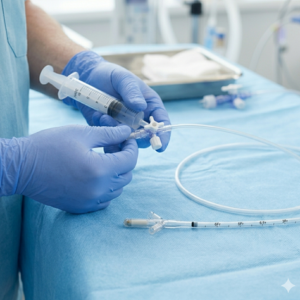
An aspiration catheter is a specialized medical device designed to remove blood clots from arteries and veins through suction-based techniques. Typically, physicians insert the catheter into affected blood vessels using minimally invasive endovascular procedures. Once positioned near the clot, the aspiration catheter applies negative pressure and extracts thrombotic material effectively. The aspiration catheter contains a flexible shaft and a large aspiration lumen that supports rapid clot evacuation during procedures. Furthermore, many advanced devices include hydrophilic coatings and radiopaque markers for smoother navigation and improved visualization. These features help physicians maneuver accurately through complex vascular pathways.
Healthcare professionals use aspiration catheter products, such as those used in deep vein thrombosis, pulmonary embolism, peripheral arterial disease, and ischemic stroke. Therefore, these devices support various therapeutic applications across multiple medical specialties. Their versatility continues driving demand in modern healthcare environments.
Importance of Precision During Clot Removal
Precision remains essential during thrombectomy procedures because incomplete clot removal may cause serious cardiovascular complications. Moreover, excessive force or inaccurate catheter placement may damage blood vessels and surrounding tissues. Consequently, physicians require highly responsive devices that offer accurate navigation and controlled aspiration. The aspiration catheter targets thrombus without damaging major vessels, thus increasing procedural accuracy. It is also minimally invasive and therefore causes less trauma to the patient than conventional surgical thrombectomy procedures. This advantage greatly improves patient success and decreases hospital stays.
Modern aspiration catheter technology also reduces the risk of distal embolization during clot extraction. This allows doctors to more efficiently restore blood flow with fewer complications from the procedure. Modern aspiration devices apply techniques such as aspiration, maceration, and transport mechanisms to enhance the efficiency of thrombus removal.
Key Features of Modern Aspiration Catheter Systems
Manufacturers continuously improve aspiration catheter technologies to support better procedural outcomes and physician control. Consequently, modern devices include several advanced design features that enhance performance during vascular interventions.
- Flexible Navigation Capability: The aspiration catheter should move through narrow and bent blood vessels without compromising patient safety. Therefore, manufacturers design these catheters using highly flexible materials that improve maneuverability inside the vascular system. Hydrophilic coating enhances the ease of catheter movement during procedures.
- Large Aspiration Lumen: The aspiration lumen is important in thrombus extraction procedures. Higher lumen means faster evacuation of the clot and a significant reduction in procedure time. Thus, physicians can more efficiently remove larger thrombus burdens with procedural stability.
- Radiopaque Markers for Visualization: Radiopaque markers enhance the visibility of catheters under fluoroscopic imaging during interventional procedures. This allows physicians to guide the aspiration catheter around the area of the clot with accuracy. Better visualization means greater accuracy and confidence during complex vascular procedures.
- Rapid Exchange Technology: Many modern aspiration catheter systems employ rapid exchange systems, which facilitate guidewire management during procedures. They also enhance wire trackability and procedural speed. Interventions can be performed more efficiently by physicians, reducing the time of patient exposure.
Clinical Applications of Aspiration Catheter Procedures
The clinical applications of the aspiration catheter in cardiovascular and vascular medicine are numerous. As a result, health care providers are turning to these devices to treat acute and chronic thrombotic conditions.
Deep Vein Thrombosis Treatment
Deep vein thrombosis develops because blood clots form in deep veins, especially in the legs. In case they are not treated, these clots can move to the lungs, leading to pulmonary embolism. Therefore, rapid clot removal remains essential for preventing life-threatening complications. Studies demonstrate that aspiration thrombectomy is successful with a high technical success rate and venous blood flow restoration efficiency. In addition to that, the use of aspiration catheter methods reduces the chances of post-thrombotic syndrome risks and improves long-term patient outcomes.
Peripheral Arterial Disease Management
Peripheral arterial disease happens when blockages in the arteries reduce blood flow. This can lead to severe pain, tissue damage, and limited mobility in patients. Physicians can use aspiration catheter systems to rapidly remove arterial thrombus and restore normal blood flow.
Pulmonary Embolism Interventions
Pulmonary embolism is an instance of a medical emergency where blood clots clog pulmonary arteries. Therefore, prompt intervention is required to avoid severe respiratory and cardiac problems. The least invasive aspiration catheter techniques are used to clear the clots and stabilize patients effectively.
Ischemic Stroke Procedures
Aspiration thrombectomy has gained much significance in ischemic stroke treatment. Aspiration catheter systems are used by physicians to remove vessel occlusions quickly and help to restore blood circulation in the brain. The result is rapid treatment, which increases neurological recovery potential.
Advantages of Aspiration Catheter Technology
Healthcare professionals continue to prefer aspiration catheter systems because they offer several clinical and operational advantages. Some of these include better patient care and enhanced procedure efficiency across healthcare facilities. Aspiration catheter techniques continue to be minimally invasive and greatly minimize surgical trauma. This leads to faster healing times for patients and fewer potential complications post-treatment.
Aspiration catheter systems support faster clot removal and restore circulation quickly during emergencies. Therefore, physicians can manage critical vascular conditions more effectively while improving survival outcomes. These devices decrease the length of hospitalization and minimize the cost of treatment as compared to conventional surgery procedures. Further, minimally invasive interventions improve patient comfort and postoperative recovery experiences. In addition, modern aspiration catheters have improved accuracy during the process and enhanced the control that physicians have over the procedure. As such, healthcare practitioners are able to offer safe and dependable treatments for vascular conditions.
Future Innovations in Aspiration Catheter Technology
Medical device manufacturers are continuing to invest in advanced thrombectomy technologies and catheter innovations. Future aspiration catheter systems may therefore incorporate robotic navigation, intelligent sensors, and AI-assisted imaging capabilities. Modern advancements in technology are also aimed at improving the efficacy of suctioning and minimizing the disturbance of clots during the procedure. In addition, developments in catheter materials have been made to improve flexibility and biocompatibility. With the increase in cardiovascular diseases worldwide, there will be a high demand for aspiration catheters. Therefore, healthcare providers must adopt thrombectomy methods that ensure precision and efficacy in therapy.