
A nasojejunal tube plays an essential role in supporting patients who cannot eat or digest food normally. Healthcare professionals often recommend this feeding method when oral intake becomes difficult or unsafe. The tube delivers nutrition directly into the small intestine, helping patients maintain strength and recover effectively. Many people require temporary nutritional support after surgery, illness, or digestive complications. In these situations, a nasojejunal tube provides a safe and reliable solution. It ensures the body receives nutrients, fluids, and medications without placing stress on the stomach. Healthcare teams also use this feeding approach to reduce complications linked with poor nutrition.
The growing prevalence of gastrointestinal disorders has also increased the demand for nasojejunal tube feeding worldwide. Conditions such as Crohn’s disease, celiac disease, ulcers, and malabsorption syndromes often require long-term nutritional management. As healthcare providers increasingly recognize the importance of enteral nutrition, more patients are receiving nutritional support through a nasojejunal tube to improve recovery outcomes and overall health. According to the CDC, approximately 14.8 million adults have diagnosed ulcers, representing nearly 5.9% of adults. These rising numbers continue to strengthen the importance of effective nutritional support methods in healthcare settings.
What Is a Nasojejunal Tube?
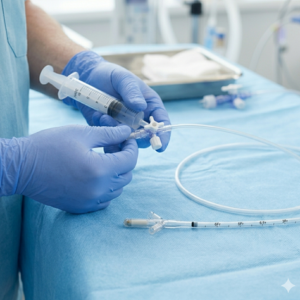
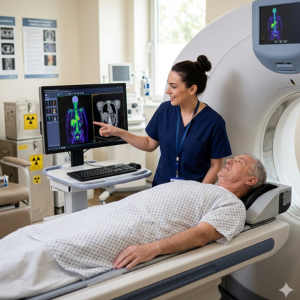
A nasojejunal tube is a thin, flexible tube inserted through the nose and guided into the jejunum, which forms part of the small intestine. Doctors generally use imaging guidance, such as an X-ray, to confirm correct placement. The tube supports feeding when patients cannot meet nutritional requirements through normal eating. Unlike feeding tubes placed into the stomach, a nasojejunal tube bypasses the stomach completely. As a result, healthcare providers often choose this option for patients experiencing severe reflux, delayed stomach emptying, vomiting, or stomach-related disorders. The tube may also allow medication administration when swallowing becomes difficult. Most patients use a nasojejunal tube for short-term nutritional support, usually for up to 90 days. However, the exact duration depends on the individual’s medical condition and recovery progress.
Why Patients Need a Nasojejunal Tube
Doctors recommend a nasojejunal tube when the digestive system cannot safely process food through regular eating methods. Certain medical conditions interfere with swallowing, digestion, or nutrient absorption. Consequently, patients may lose weight, become weak, and experience delayed healing.
Several conditions may require a nasojejunal tube, including:
- Severe acid reflux
- Delayed stomach emptying
- Frequent vomiting
- Digestive tract obstruction
- Certain cancers affecting digestion
- Recovery after major gastrointestinal surgery
- Crohn’s disease and celiac disease
- Malabsorption syndromes and ulcers
In these cases, the tube allows nutrients to bypass problematic areas of the digestive system. Therefore, patients can continue receiving balanced nutrition while the underlying condition improves.
How a Nasojejunal Tube Supports Recovery
Good nutrition remains critical during illness and recovery. The body requires protein, calories, vitamins, and fluids to repair tissues and maintain immune function. A nasojejunal tube helps patients receive these nutrients consistently.
Maintains Nutritional Intake
Patients recovering from illness often struggle to eat enough food. Pain, nausea, swallowing difficulties, or digestive disorders can reduce appetite significantly. A nasojejunal tube ensures nutritional goals are met even when eating becomes impossible. Healthcare providers plan the diet for patients considering their health status, weight, and energy requirements. This individualized approach supports steady recovery and prevents malnutrition.
Reduces Stress on the Stomach
The stomach sometimes cannot tolerate food because of surgery, disease, or delayed emptying. Since a nasojejunal tube delivers feed directly into the small intestine, the stomach can rest and recover. Additionally, bypassing the stomach may reduce vomiting and acid reflux symptoms. Many patients experience improved comfort once feeding occurs beyond the stomach.
Supports Healing and Energy Levels
Healing demands energy; if there is an absence of sufficient nutrition, healing will take place slowly, and the immunity levels will drop too. The nasojejunal tube helps patients to keep their muscle power, body weight, and hydration in challenging times. Additionally, appropriate nutrition can decrease hospital time for patients and improve the results of treatments, too. Regular feeding will help patients tolerate drugs and treatments more effectively.
How Feeding Through a Nasojejunal Tube Works
The majority of patients are administered the nutrients via the feeding pump linked to the nasojejunal tube. The feeding rate is regulated by the feeding pump since the small intestine cannot hold large amounts of food at once. Slow feeding helps prevent discomfort, nausea, and digestive complications. The health care team administers the sterile fluids, which have been designed in a manner that provides complete and balanced nutrition. This nutrition includes proteins, carbs, fats, vitamins, and minerals. Patients often carry the feeding pump on their backs, making it possible to move around when feeding. As a result, patients can retain more independence while receiving nutrition.
Important Care Tips for a Nasojejunal Tube
Appropriate care is vital for avoiding infections and other problems associated with the use of tubes. Both patients and their caregivers are generally well-trained before discharge from the hospital.
- Flush the tube regularly: The nasojejunal tube may easily get clogged because of its narrow nature. In most cases, doctors suggest that it should be flushed using cooled, boiled water before and after feeding or medication administration. Regular flushing also helps prevent bacterial buildup.
- Check Tube Position: It is very crucial to check tube placement before feeding. Patients must ensure that the external markings of measurements remain the same and that there is no visible movement of the tube. If the tube shifts out of place, feeding should stop immediately until medical advice is received. Incorrect placement may increase the risk of serious complications.
- Maintain Hand Hygiene: Proper handwashing helps reduce infection risk during feeding and medication administration. Since the stomach’s protective acid barrier is bypassed, maintaining cleanliness becomes even more important.
Watch for Warning Signs
Patients should contact healthcare providers if they notice:
- Vomiting during feeding
- Tube blockage
- Pain or discomfort
- Tube displacement
- Difficulty flushing the tube
- Signs of infection
Early medical attention can prevent further complications and maintain safe feeding.
When a Nasojejunal Tube May Be Replaced
The nasojejunal tube may need to be replaced if it is clogged, damaged, or dislodged. This process is normally done at hospitals under proper medical supervision to ensure safe positioning. Patients should keep records of tube size, placement date, and measurement markings. This information helps healthcare providers manage future tube care effectively.
Strategic Outlook
The nasojejunal feeding tube is crucial for patients who cannot take in nutrients through eating or digestion. The nasojejunal tube ensures that nutrients reach the intestines, allowing the patient to remain healthy and hydrated even during critical conditions. Although tube feeding can seem difficult at first, with adequate guidance and care, the situation becomes much easier to deal with. With adequate medical care and nutritional support, one may actually have better chances for recovery and better overall health.