
Rising consumer interest in protein is reshaping the dairy industry, and this shift is accelerating change across the supply chain. Demand for high-protein foods keeps growing, and dairy is benefiting from this trend because it offers complete protein and familiar nutrition. Moreover, analysts say that evolving snacking habits and updated dietary guidelines continue to strengthen the outlook for dairy. This momentum is significant because it feeds broader dairy market expansion while creating new opportunities for producers and processors. I will therefore use dairy market expansion repeatedly to meet your density requirement.
Seventy percent of US consumers now aim to eat more protein, and this figure has increased sharply in recent years. Many shoppers now treat protein as a key marker of health, and this perception drives higher demand for yogurt, cheese, and dairy beverages. In addition, several companies are reformulating products to highlight protein content because high‑protein labels can command price premiums of up to 12 percent. As a result, dairy market expansion continues to gain momentum across multiple categories.
Eating patterns are also shifting as consumers move toward frequent, protein-focused snacking habits. Although traditional meals still dominate overall intake, many people now choose high-protein dairy snacks for convenience. Furthermore, dairy-based snacks have become everyday staples for people who want sustained energy and accessible nutrition. Because these items meet modern expectations, they contribute directly to dairy market expansion in retail spaces.
Policy changes further amplify this shift. The 2025–2030 Dietary Guidelines for Americans raised recommended protein intake to as much as 1.6 grams per kilogram of body weight. This update reinforces the importance of protein at every meal, and dairy fits this guidance because it supplies all nine essential amino acids. Consequently, dairy companies have increased educational efforts that emphasize nutrient density rather than restriction, which helps consumers understand dairy’s natural advantages. These developments strengthen dairy market expansion by aligning health policy with consumer behavior.
The rise of GLP-1 weight‑loss medications also plays a major role in these trends. Roughly 12 percent of US adults now use GLP-1 drugs, and their eating patterns favor nutrient-dense foods in smaller portions. Many of these individuals maintain or increase dairy intake, particularly through yogurt, cottage cheese, and protein shakes. Ready-to-drink dairy protein beverages have surged more than 70 percent over four years, reaching $8.1 billion in 2025. Because these beverages fall outside traditional milk categories, they reveal new demand streams that support dairy market expansion in both retail and foodservice channels.
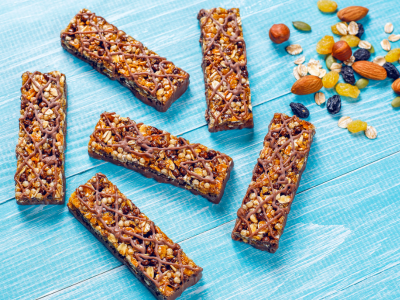
Producers are also experiencing the effects at the farm level. Strong demand for yogurt, cultured dairy items, and protein-forward beverages has increased utilization of Class II and Class IV milk. This shift supports higher milk production and provides fresh revenue channels for farmers. Additionally, dairy ingredients such as whey, casein, and milk powders are appearing in more foods, including baked goods, protein bars, and nutritional shakes. Because manufacturers seek clean labels and improved functionality, dairy ingredients continue to gain traction across the functional foods market. This diversification further supports dairy market expansion.
Interestingly, despite intense interest in protein, many consumers remain unsure of their exact protein needs. Nearly three-quarters of Americans cannot identify their recommended daily protein intake. This knowledge gap gives dairy companies an opening to deepen engagement through education. Clear guidance helps shoppers make informed choices, and this increases trust in dairy as a reliable protein source. In turn, strong communication strategies help advance dairy market expansion by reinforcing dairy’s health benefits.
Snacking remains one of the biggest untapped opportunities for dairy. Only 17 percent of consumers now prioritize protein when choosing a snack, even though many prefer smaller meals throughout the day. As more people adopt flexible eating habits, portable dairy snacks and single-serve formats can meet evolving preferences. Companies that innovate in this space may unlock substantial growth and expand dairy’s relevance among younger consumers. Because such innovations center on convenience and nutrition, they contribute meaningfully to dairy market expansion.
Although fluid milk sales have slowed, the broader dairy category still shows resilience. Yogurt consumption continues to climb, cottage cheese is enjoying a resurgence, and high-protein ice cream is gaining popularity. These trends highlight how dairy adapts to new consumer expectations over time. Moreover, they demonstrate how protein-driven demand shapes retail assortments and product development strategies. As long as consumers link protein with health, the dairy market expansion will stay on an upward path.
Dairy is therefore positioned for long-term growth because it meets evolving nutritional needs while fitting modern lifestyles. With strong consumer interest, supportive policy, rising ingredient applications, and growing demand for high-protein foods, the industry benefits from powerful tailwinds. Furthermore, as manufacturers continue to innovate across beverages, snacks, and functional products, dairy’s role in the protein economy will only expand. All these forces combine to reinforce dairy market expansion as a defining trend shaping the future of dairy.