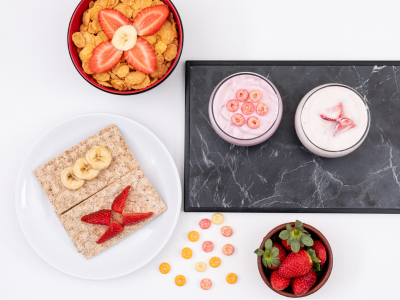

The global economy currently faces significant headwinds. Rising costs influence every aspect of daily life. Specifically, food inflation has altered how households approach nutrition. Consumers now prioritize both fiscal responsibility and time management. This shift has propelled the frozen breakfast sector into a new era of growth. Once viewed as a secondary option, frozen meals now lead the morning routine. This article examines the economic drivers behind this transition. We will explore how quick breakfast meals provide a strategic solution for the modern global consumer.
The Economic Catalyst: Understanding Food Inflation
Inflation rates have remained volatile across international markets. Supply chain disruptions and energy costs drive grocery prices higher. Consequently, the breakfast basket has become notably more expensive. Fresh eggs, dairy, and artisanal meats often see double-digit price increases. These fluctuations force consumers to reconsider their purchasing habits.
Frozen food manufacturers offer a unique shield against this volatility. By processing ingredients in bulk, these companies lock in lower prices. They pass these savings directly to the consumer. Furthermore, frozen products boast a significantly longer shelf life. This longevity reduces the financial burden of food waste. When a consumer buys quick breakfast meals in the frozen aisle, they invest in price stability.
The Value Proposition: Cost vs. Quality
The perception of value has evolved recently. It no longer implies simply choosing the cheapest option. Instead, it reflects a balance of nutrition, taste, and price. Frozen breakfast brands have mastered this equilibrium. Modern flash-freezing technology preserves nutrients at their peak. This process ensures that a frozen vegetable frittata retains its vitamins.
Furthermore, the cost-per-serving of frozen options is remarkably low. Compare a frozen breakfast sandwich to a cafe alternative. The retail price of the frozen version is often 70% lower. Over a fiscal year, these savings become substantial. Global consumers recognize this massive price gap. They are opting for the reliability of the freezer over the expense of the drive-thru.
The Convenience Factor: Time as a Currency
Time remains the most precious resource for professionals and parents. The morning rush often dictates the quality of one's day. Preparing a traditional breakfast from scratch requires significant labor. One must chop, cook, and clean up afterward. In a fast-paced global society, this is often impossible.
Quick breakfast meals from the freezer eliminate these barriers. Most products require fewer than three minutes of preparation. This efficiency allows individuals to reclaim their mornings. Whether it is a protein-packed bowl or a whole-grain waffle, the process is seamless. This convenience does not come at the cost of satisfaction. Manufacturers now focus on gourmet flavors and global cuisines. Consequently, the consumer enjoys a high-quality experience without the time investment.
Meeting Diverse Dietary Demands
The frozen breakfast market has become highly inclusive. In previous decades, options were limited to basic waffles or heavy meats. Today, the landscape is vastly different. Brands now cater to a wide array of dietary requirements. This inclusivity drives global market expansion.
We see a surge in plant-based breakfast sausages and egg substitutes. Similarly, gluten-free and keto-friendly bowls are now common. These specialized products are often cheaper than fresh specialty items. Consumers with specific health goals find solace in the frozen aisle. They can maintain their regimens without breaking their budgets. This variety ensures that quick breakfast meals appeal to every demographic.
Sustainability and Waste Reduction
Food waste is a significant contributor to global economic loss. Fresh produce often spoils before a busy family can consume it. This spoilage represents sunk costs for the household. Frozen food addresses this issue directly. Since the items are portion-controlled, users only prepare what they need.
The frozen food industry also focuses on sustainable packaging. Many brands now use recyclable materials and reduce plastic. By choosing frozen, consumers participate in a more efficient food system. The long shelf life reduces the frequency of grocery trips. This reduction lowers the carbon footprint associated with personal transport. Efficiency and sustainability now go hand in hand.
The Global Shift in Consumer Behavior
This trend is not limited to Western markets. We see a rising demand for frozen breakfast in Asia and Latin America. As urbanization increases, so does the need for efficiency. Busy workers in Tokyo, London, and New York share similar needs. They all seek affordable, nutritious, and quick breakfast meals.
International brands are localizing their offerings to suit these tastes. We now see frozen congee, breakfast burritos, and savory crepes. This cultural adaptation fuels the global frozen breakfast market. It proves that the inflation effect is a universal motivator. People everywhere want to protect their wealth while nourishing their bodies.
The Technological Edge: Innovation in Freezing
The quality of frozen food has reached an all-time high. This is due to advancements in cryogenic freezing techniques. These methods prevent the formation of large ice crystals. As a result, the texture of the food remains intact. When reheated, the meal tastes fresh and authentic.
Consumer confidence has grown alongside these technological leaps. People no longer fear soggy or bland frozen food. Instead, they expect a premium culinary experience. This trust allows the frozen sector to compete with fresh food. It positions quick breakfast meals as a primary choice, not a backup.
Strategic Tips for the Value-Oriented Shopper
To maximize the benefits of the frozen aisle, consumers should be strategic. Buying in bulk often yields the highest savings. Many retailers offer family packs of breakfast staples. Additionally, shoppers should look for products with high protein content. Protein increases satiety and provides lasting energy.
It is also wise to compare ingredient labels. Many frozen options now feature clean labels with recognizable ingredients. This transparency helps consumers make informed health decisions. By combining value with nutrition, the freezer becomes a powerful tool. It transforms the morning routine into an efficient system.
Conclusion: A Permanent Change in the Morning Landscape
The rise of frozen breakfast is not a temporary trend. It is a calculated response to a shifting economic reality. Inflation has acted as a catalyst for smarter consumption. Consumers have discovered that they do not need to sacrifice quality for price. Nor do they need to sacrifice time for nutrition.
Quick breakfast meals represent the future of the global morning routine. They offer a fortress against rising costs and a solution for busy lives. The industry continues to innovate, providing delicious and diverse options. As we move forward, the frozen aisle will remain a cornerstone of the modern kitchen. It is the ultimate intersection of value, convenience, and culinary excellence.