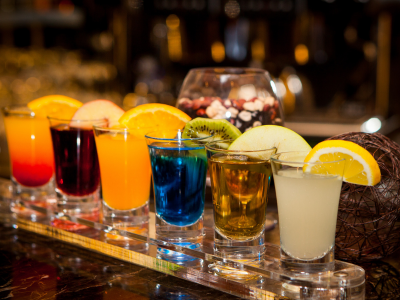

The global beverage alcohol landscape is undergoing a profound transformation. Market leaders must now navigate a complex web of shifting consumer behaviors. Economic pressures and emerging market opportunities are also redefining the industry. According to recent IWSR data, specific structural forces will dictate growth through 2026. This period marks a pivotal moment for every alcoholic beverage trend we observe today.
Understanding these drivers is essential for strategic planning. Brands must adapt to a world where business as usual no longer applies. Geopolitical uncertainty and financial strain continue to test the resilience of the sector. However, the future remains bright for those who embrace change. This article explores the six fundamental drivers that will shape our industry. We will examine how these forces influence global consumption patterns.
Global Travel Retail (GTR) is no longer just about duty-free discounts. It has evolved into a premier channel for brand storytelling and exploration. Travelers are increasingly looking for exclusive products and unique brand experiences. While passenger traffic has recovered, volume growth still lags in some regions. This gap presents a massive opportunity for innovation in retail spaces.
We see more floor space devoted to emerging categories like agave spirits. Traditional categories like Scotch are facing healthy competition from American and Irish whiskeys. Brands are using GTR to launch limited editions and high-end collectibles. This environment allows consumers to interact with brands in a premium setting. The current alcoholic beverages trend in travel is centered on discovery. Travelers want to bring home something they cannot find at their local store.
5. RTDs as a Multi-Trend Touchpoint for Innovation
Ready-to-drink (RTD) products are a major beacon of hope for the industry. This category continues to outpace total beverage alcohol growth globally. The appeal of RTDs lies in their incredible versatility and convenience. They successfully bridge the gap between different drinking occasions and channels. Modern RTDs focus on flavor-led discovery and high-quality spirit bases.
Younger consumers especially appreciate the transparency and portability of canned cocktails. RTDs also align perfectly with the growing demand for moderation. Many products offer lower ABV options without sacrificing the complex taste profiles. This category is gaining significant market share in established destinations. It provides a unique platform for brands to test new flavor combinations. Every successful alcoholic beverage trend in the modern era involves some level of RTD integration.
6. The Strategic Importance of Judicious Innovation
Innovation remains the most critical driver of value creation in the industry. Over the past decade, new products have delivered billions in added value. However, the era of innovation for the sake of innovation is over. Brand owners must now innovate judiciously to avoid cannibalizing existing products. The focus must be on products that deliver incremental growth.
Future innovation will likely focus on functionality and sustainable practices. Consumers are looking for beverages that offer more than just an alcohol kick. They want natural ingredients, ethical sourcing, and environmentally friendly packaging. Strategic innovation allows brands to stay relevant in a fast-moving market. It helps them pinpoint which flavors will have true staying power. A forward-thinking alcoholic beverages trend is always backed by rigorous research and development.
A Global Outlook on a Dynamic Industry
The beverage alcohol industry is entering a new era of sophistication. While the challenges are real, the growth opportunities are immense. Success will depend on a brand's ability to remain agile and informed. By focusing on these six drivers, companies can navigate the 2026 landscape. They must understand the selective nature of the modern consumer.
Growth is no longer guaranteed by tradition or brand history alone. It must be earned through quality, value, and constant innovation. The global market is more connected and competitive than ever before. Brands that lead the alcoholic beverages trend will be those that listen. They will respond to the diverse needs of a global audience.
Conclusion: Preparing for 2026 and Beyond
In conclusion, the future of alcohol is bright and diverse. We are seeing a shift toward more mindful and varied consumption. The rise of developing markets provides a new frontier for expansion. Meanwhile, the evolution of GTR and RTDs offers fresh ways to connect. Innovation will continue to be the engine that drives the entire sector.
To thrive, industry players must embrace the data and insights available. They must look beyond the short-term hurdles of the current economy. Long-term success requires a commitment to understanding the consumer of tomorrow. The alcoholic beverages trend of the future is one of excellence and purpose. By aligning with these drivers, the industry will continue to flourish. Let us look forward to a vibrant and innovative future for beverage alcohol.