
You cannot see your air. Yet your brain can feel it. When indoor air gets cleaner, your mind often gets sharper. That link is not mystical. It is measurable, practical, and increasingly urgent. After all, we spend most of our lives indoors. Therefore, the air inside your home, office, and school matters a lot. Today, we explore why purified indoor spaces can boost focus, memory, and mood. We also look at how to build them with science, not scented guesswork. The tone is witty, yes, but the advice is firm. Your neurons deserve better oxygen, less noise, and fewer irritants.
Why Indoor Air Quality Shapes Your Thinking
Your brain is a high-maintenance organ. It demands oxygen, stability, and calm. When indoor air carries particles, VOCs, and allergens, your brain works harder. Consequently, your attention drops, and your fatigue rises. That is not ideal for complex work or creative problem-solving.
Moreover, temperature and humidity also influence cognition. Too warm, and you lose focus. Too dry, and your airways complain—too humid, and microbes party. Thus, purified indoor spaces create a narrow Goldilocks zone. They keep pollutants low and comfort high.
The Hidden Enemies in Your Living Room
Pollution is not only an outdoor plot twist. It lurks in carpets, paints, and cleaning sprays. Dust carries allergens—VOCs off‑gas from new furniture. Gas stoves add nitrogen dioxide. Even candles can add ultrafine particles. Charming, yet distracting.
However, you can control many sources. Low‑VOC materials help. Sealed storage helps. Better ventilation helps even more. Additionally, targeted filtration removes what sneaks indoors. In short, purified indoor spaces start with good choices and end with better filters.
From Air to Action: Cognitive Effects You Can Feel
Cleaner air supports faster reaction times. It also supports sustained attention. People tend to make fewer errors and report less brain fog. Meanwhile, meetings feel less draining. Students can stay present longer. Families breathe easier and sleep better.
Therefore, purified indoor spaces often deliver subtle but real benefits. You will not turn into a superhero. Yet you might finish deep work with energy left. That is progress. It compounds daily and supports long-term brain health.
Focus, Memory, and Mood: The Big Three
First, focus improves when irritants drop. Your prefrontal cortex loves stability. Less irritation equals fewer distractions. Second, working memory stabilizes. You can hold ideas longer without losing the thread—third, mood lifts. Cleaner air reduces stress signals and supports calm.
As a result, purified indoor spaces feel more humane. You do not notice them minute by minute. Instead, you notice that days flow smoother. You close your laptop on time. You choose a book over doomscrolling. Small changes build better habits.
Global Perspective: Different Cities, Same Brain
Air quality varies wildly across regions. Urban centers struggle with traffic and dust. Coastal towns wrestle with humidity and mold. Cold climates battle sealed windows and stale air. Regardless, the brain still craves clarity. The solutions differ, but the goal remains.
Thus, purified indoor spaces adapt to climate and culture. In Delhi, filtration and sealing matter. For Tokyo, ventilation and micro‑filters shine. Further, in Stockholm, heat recovery ventilators support comfort. Meanwhile, in São Paulo, dehumidification helps mold control. Context sets the playbook. Hence, the global market for air purification spray is growing at a 7.2% CAGR between 2025 and 2031.
The Purification Toolkit: What Actually Works
You have many options, but not all are equal. Start with source control. Choose low-VOC materials and water-based paints. Store solvents outside the living area. Next, open windows when the outdoor air is clean. Balanced ventilation then keeps fresh air moving.
After that, filtration handles the rest. HEPA captures particles. Activated carbon reduces odors and VOCs. UV‑C can help in HVAC coils when properly engineered. Sensors close the loop by guiding adjustments. With this stack, purified indoor spaces become reliable, not lucky.
HVAC, Standalone Purifiers, and Smart Control
Your central HVAC can carry a high‑MERV filter. It cleans whole spaces consistently. However, standalone purifiers excel in specific rooms. They deliver high clean air delivery rates where you work or sleep. That flexibility supports real life.
Additionally, smart control helps a lot. Sensors track PM2.5, CO₂, humidity, and VOCs. Automatic modes then adjust fan speeds and ventilation. Over time, patterns emerge. You learn which activities spike pollutants. You can then shift behavior accordingly. That is how purified indoor spaces stay truly adaptive.
Don’t Forget Humidity and Temperature
Air quality is not only about particles. Comfort ranges matter. Keep relative humidity between 40% and 60%. Below that, airways dry out. Above that, microbes thrive. Meanwhile, keep temperatures stable and moderate. Your brain prefers gentle, not dramatic swings.
Therefore, purified indoor spaces balance the whole indoor climate. They act like quiet butler services for your senses. They smooth rough edges and reduce invisible friction. Your cognition enjoys the peace.
Plants, Sprays, and Scents: What Helps and What Doesn’t
Plants look lovely. They also support wellbeing visually. Yet they do not replace filtration. Their pollutant removal rates are too slow for real rooms. Keep them for joy, not purification. You still need proper airflow and filters.
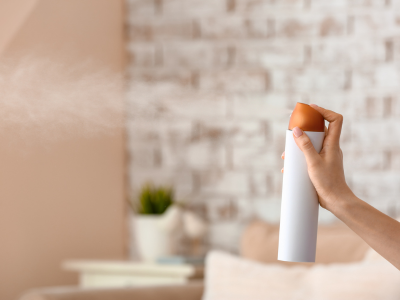
What about sprays and scents? They can neutralize odors, but they may add VOCs. Choose products with transparent safety data. Better yet, tackle the source and improve ventilation. In genuine purified indoor spaces, fresh air beats fragrance every time.
Schools and Workplaces: High Impact Zones
Children learn best with clear air and calm noise. Teachers teach better, too. Small improvements in air quality can support test performance. Meanwhile, offices gain sharper meetings and fewer afternoon slumps. The payoff arrives in productivity and satisfaction.
Hence, leaders should prioritize air budgets. Upgrade filters and measure results. Publish dashboards because transparency builds trust. When people see clean metrics, they breathe easier. In turn, purified indoor spaces become a visible benefit, not a hidden line item.
Hotels, Gyms, and Retail: Experience as a Service
Clean air shapes guest reviews. Hotels can market better sleep and clearer mornings. Gyms can promise easier breathing during peaks. Retail can reduce scents that overwhelm. Subtle improvements create repeat visits and stronger loyalty.
Therefore, businesses can frame clean air as a premium amenity. However, they must prove it. Share data and maintenance schedules. Offer quieter, better-sealed equipment. In doing so, they deliver purified indoor spaces that feel luxurious and responsible.
Allergen Season Strategies: Stay Ahead of Spikes
Spring blooms and dust storms test your systems. Prepare early. Replace filters before peak season. Seal windows and doors carefully. Install entryway mats and shoe zones. Small barriers keep outdoor particles from spreading indoors.
Additionally, run purifiers longer during high-risk days. Use handheld meters to spot trouble rooms. With foresight, purified indoor spaces stay stable through seasonal swings. Your routines continue without sneezing fits and foggy afternoons.
Noise, Light, and Air: The Sensory Trio
Air interacts with other senses. Harsh fan noise can distract. Flickering lights can fatigue your eyes. Too little daylight hurts the circadian rhythm. When you tune all three, your brain gets a coordinated signal: it is safe to focus.
Consequently, purified indoor spaces also care about acoustics and light. Choose quiet devices. Maximize natural light. Soften echoes with rugs and panels. This holistic approach respects how attention actually works.
The Workplace Action Plan: From Policy to Practice
Organizations need standards, not slogans. Set thresholds for PM2.5 and CO₂. Choose certified filters and professional installation—schedule maintenance with proof. Finally, display dashboards in common areas. People respect clarity.
Because fairness matters, include accessibility. Provide scent-free zones and notice periods for chemical use. Offer portable purifiers for sensitive employees. With these steps, purified indoor spaces become part of your culture, not only your facility.
Sustainability and Clean Air Can Align
Filtration uses energy. So does ventilation. Yet you can design for both health and sustainability. Use efficient fans and tight ducts. Add heat recovery ventilators—the right-sized purifiers to the room. Most importantly, fix sources first.
In doing so, you avoid waste while keeping the benefits. That balance makes purified indoor spaces resilient. They serve people and the planet at once. That is real progress, not green theater.
The Future: Adaptive, Data‑Driven, and Seamless
Tomorrow’s systems will learn your patterns. They will pre-clean before meetings and workouts, and boost ventilation during cooking. Further, they schedule maintenance before the filters clog. Invisible intelligence will keep the air consistently steady.
With that shift, purified indoor spaces will feel like good service. They will fade into the background while your mind takes the stage. You will notice the day, not the devices. That is the goal.
Final Thoughts: Your Brain Deserves Better Air
Clean air is not a luxury. It is a cognitive asset. When you reduce pollutants and stabilize comfort, your brain thanks you. You think faster, remember more, and stress less. Life gets a little easier.
So, start where you are and move forward. Open a window when it helps. Swap a filter. Track a metric. Celebrate gains. Gradually, you will build purified indoor spaces that support your best work and your best moods. Your lungs will smile, neurons will cheer, and the day will finally feel as clear as your air.