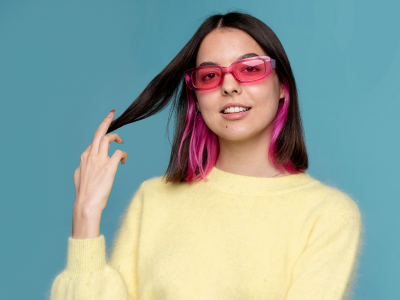

The global beauty landscape is currently undergoing a radical transformation. This shift is most visible in the vibrant evolution of hair color trends. While previous generations often viewed hair dye as a tool for concealment, Generation Z has redefined the medium. For this cohort, hair is a primary canvas for artistic expression and identity fluidness. Market data suggests that the global hair color market will grow significantly in 2026. This growth is largely fueled by the demands of younger, digitally native consumers. They prioritize authenticity and visual storytelling over traditional beauty standards.
The Psychology of Pigment: Identity as a Dynamic Concept
Generation Z approaches personal identity with a level of fluidity never seen before. Unlike their predecessors, these individuals do not feel bound by a single aesthetic for life. Consequently, they use hair color trends to signal internal changes or mood shifts to the world. A change in hair color often functions as a rite of passage or a declaration of independence.
Furthermore, the lipstick effect has evolved into a hair color effect for the modern era. Even during economic fluctuations, consumers invest in small, high-impact luxuries like vibrant dyes. This generation views bold shades, ranging from electric cobalt to soft lavender, as essential tools for self-actualization. This psychological connection ensures that the demand for diverse palettes remains resilient on a global scale.
Digital Catalysts and the Viral Nature of Aesthetics
The rise of social media platforms has revolutionized how trends propagate across borders. TikTok and Instagram serve as global mood boards that influence millions of users instantly.
- Influencer Impact: Research indicates that approximately 60% of hair color purchase decisions are influenced by social media.
- Short-Form Video: Tutorials showcasing before and after transformations provide the social proof needed for experimentation.
- Algorithmic Curation: AI-driven feeds deliver personalized inspiration, making niche hair color trends mainstream within days.
Because digital culture moves so rapidly, the industry has responded with faster product cycles. Brands now launch seasonal collections that mirror viral aesthetics like cyber-lime or sunset-peach. This synergy between digital content and physical products creates a continuous feedback loop. This loop keeps the market in a state of constant, lucrative innovation.
Global Connectivity and the Rise of Gender-Neutral Grooming
The expansion of hair color trends is a truly worldwide phenomenon. While North America remains a significant player, the Asia-Pacific region is experiencing explosive growth. Urbanization and rising disposable incomes in markets like China and India have unlocked new consumer bases.
Importantly, the industry is shedding its gendered past. The demand for gender-inclusive beauty products has risen by nearly 48%. Men are increasingly adopting bold hair colors, moving beyond simple gray coverage. From bleach blonde buzz cuts to subtle pastel highlights, the male grooming segment is a vital growth engine. This inclusivity broadens the total addressable market, ensuring long-term stability for manufacturers and retailers alike. These have resulted in the global hair color market growing at a 6.6% CAGR between 2026 and 2034.
Sustainability as a Non-Negotiable Standard
For Gen-Z, a brand's ethics are as important as its color payoff. This generation actively seeks out companies that prioritize sustainability and social responsibility. They prefer brands that use recycled packaging and ethically sourced ingredients.
This shift has forced legacy brands to pivot toward clean-label beauty. The market for natural and herbal formulations is growing at a faster rate than traditional chemical dyes. By aligning with these values, the hair color industry secures loyalty from a generation that votes with its wallet. Brands that fail to adapt to these transparency requirements risk losing relevance in a crowded marketplace.
The Future of Professional and DIY Segments
The boundary between professional salon services and at-home kits is blurring. While salons offer expertise and luxury, at-home kits provide convenience and affordability.
- Hybrid Models: Many consumers now use professional services for complex bleaching and at-home toners for maintenance.
- Smart Tools: Brands are launching AI-enabled devices that help users apply color with professional precision at home.
- The Prosumer Rise: Young consumers are learning professional techniques through online academies, driving sales of high-grade professional supplies.
This dual-growth ensures that both the commercial and retail sectors thrive simultaneously. The market is no longer a zero-sum game; instead, it is an ecosystem of varying price points and expertise levels.
Conclusion: A Vibrant Outlook for Global Beauty
In summary, the Gen-Z influence on hair color trends is profound and permanent. By treating hair as a medium for artistic expression, they have revitalized a mature industry. Their focus on health, ethics, and digital connectivity has forced brands to innovate at record speeds. As we look toward the future, the market will likely continue its upward trajectory. It will be defined by technological precision, sustainable practices, and an endless palette of vibrant possibilities.
The era of natural-only beauty has passed. In its place, we find a world where color is a language. This language is spoken by a generation that is unafraid to stand out. For businesses in the beauty sector, the message is clear: embrace the experimental, or get left behind in the shadows.