
In recent years, surgical advancements have revolutionized how we approach complex medical conditions. In particular, robotic breast surgery has emerged as a safer and more sensitive method for treating breast-related diseases, especially cancer. This article explores this transformative surgical option, highlighting why precision, aesthetics, and recovery matter in breast care. The innovative intersection of robotics and surgical expertise is reshaping outcomes, patient experiences, and long‑term health goals in ways previously unimagined.
Understanding Robotic Breast Surgery
Robotic breast surgery is a minimally invasive surgical technique in which surgeons use advanced robotic systems to perform breast operations with unparalleled precision and control. The technology involves specialized robotic arms, high‑definition 3D magnification, and tiny, flexible instruments that mimic the surgeon’s hand movements. Unlike traditional open surgery, this method allows for smaller, strategically placed incisions that minimize tissue disruption and improve cosmetic results. Patients therefore benefit from less visible scarring, reduced postoperative pain, and shorter hospital stays due to the minimally invasive nature of the approach.
How Robotic Systems Work
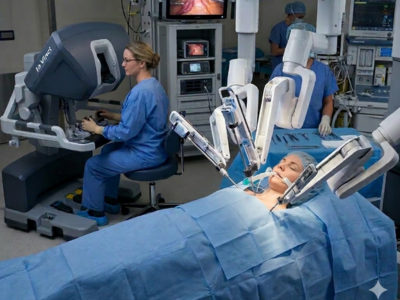
At the core of this approach is a robotic platform, which provides high‑resolution imagery and precision instruments capable of intricate movements beyond the capability of the human hand. During surgery, a trained surgeon sits at a console, controlling the robotic arms while viewing a 3D image of the surgical field. This combination of magnified visualization and robotic dexterity allows for enhanced navigation around delicate breast tissue, vital structures, and nerves.
Key Benefits of Robotic Breast Surgery
- Enhanced Precision and Control: Robotic breast surgery offers superior precision compared to traditional techniques. The system’s high‑definition 3D visuals help surgeons differentiate healthy tissue from diseased regions more accurately. Enhanced visual clarity combined with tiny, flexible instruments means that the removal of cancerous tissue is more targeted and effective, preserving as much of the healthy breast structure as possible.
- Minimized Scarring and Improved Aesthetics: One of the most remarkable benefits of robotic breast surgery is its cosmetic advantage. Instead of large incisions across the breast, small, well‑placed incisions in discreet areas such as the axilla (armpit) or mammary crease result in minimal visible scarring. This not only supports physical healing but also contributes to better psychological and emotional recovery after surgery.
- Faster Recovery and Reduced Pain: Because the procedure is minimally invasive, patients typically experience less postoperative pain, reduced risk of infection, and faster healing. In many cases, hospital stays are significantly shorter, often just a day or two, compared to conventional open surgeries. This means patients can return to normal daily routines more quickly and with greater comfort.
- Reduced Risk of Complications: Robotic breast surgery has been shown to significantly lower the risk of complications such as nipple necrosis and poor skin flap vascularity. Improved preservation of blood supply and precise dissection contribute to enhanced tissue health following the procedure. These outcomes not only improve surgical success rates but also contribute to overall long‑term breast health.
Who Can Benefit from Robotic Breast Surgery
Robotic breast surgery is especially effective for women with early‑stage breast cancer, those seeking nipple‑sparing mastectomies, or individuals undergoing risk‑reducing procedures. Because the surgery prioritizes both oncologic safety and cosmetic outcomes, many suitable patients find it an attractive option. However, it is not a one‑size‑fits‑all solution, and careful evaluation by a specialist breast oncology team is essential.
The Role of Robotic Breast Surgery in Cancer Care
Breast cancer remains one of the most common cancers affecting women worldwide. While standard treatments like chemotherapy, radiation, and surgery have long been staples in care protocols, robotic breast surgery introduces a new dimension of precision and patient‑centric outcomes. The approach supports improved margin clearance, better cosmetic results, and a potentially faster recovery, all of which can help reduce the physical and emotional burden of cancer treatment.
In addition to cancer removal, robotic systems can assist in immediate breast reconstruction, enabling surgeons to shape and rebuild breast contours within the same procedure. This integrated approach not only reduces the number of surgeries required but also promotes a more seamless recovery journey for patients.
Due to rising surgical procedures, enhanced precision of robotic systems, and growing demand for minimally invasive surgeries, the surgical robots market is expected to grow. Additionally, increasing regulatory approvals by government authorities support market expansion. Breast cancer remains the most common cancer among U.S. women, accounting for about 32% of new diagnoses. In 2026, approximately 321,910 women will face invasive breast cancer, and 60,730 will have non-invasive DCIS, highlighting the importance of robotic breast surgery for precise and effective treatment.
Robotic Breast Surgery vs Traditional Techniques
While traditional open breast surgery remains effective and widely used, robotic breast surgery provides distinct advantages. Traditional methods often involve larger incisions, longer recovery times, and greater tissue trauma. By contrast, robotic breast surgery’s smaller incisions, enhanced precision, and superior visualization translate to better control and fewer long‑term side effects.
Moreover, with robotic assistance, surgeons benefit from greater ergonomic control and reduced physical strain, which can translate to more consistent surgical performance over time. These benefits combined suggest that, where appropriate, robotic breast surgery can be an excellent choice for both patients and surgical teams.
Challenges and Considerations
Despite its many advantages, robotic breast surgery is not without challenges. The high cost of the technology and the requirement for specialized surgical training can limit widespread availability, particularly in smaller healthcare settings. Additionally, not all patients will qualify for this procedure due to individual medical considerations or cancer characteristics. Open dialogue with a multidisciplinary care team is essential when considering this option.
Looking to the Future
As surgical robotics continue to evolve, so too will their role in breast care. Emerging technologies may further enhance precision, shorten recovery times even more, and expand eligibility for a wider range of patients. As research progresses, robotic breast surgery could become a standard of care for various breast conditions, offering patients safer, more personalized, and aesthetically satisfying outcomes.
Conclusion: Redefining Breast Surgery with Robotic Precision
In summary, robotic breast surgery represents a significant advancement in modern surgical care. With its ability to combine precision, minimal invasiveness, better cosmetic results, and faster recovery, it offers patients a safer and more compassionate approach to breast health. However, deliberation with healthcare professionals and consideration of individual factors are crucial before choosing this option. As this technology becomes more accessible and understood, it holds the promise of enhancing patient outcomes and transforming the standard of breast care across the globe.