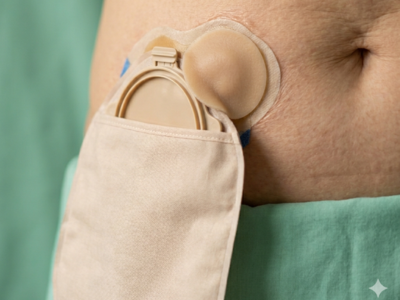

An ileostomy is a transformative surgical procedure that helps individuals manage complex digestive disorders with greater safety and control. It involves diverting waste from the small intestine through a stoma created on the abdominal wall. As a result, the digestive system bypasses the colon, allowing the body to function despite severe intestinal disease or damage.
Recent 2024 clinical research highlights several important risks associated with ileostomy, emphasizing the need for careful management and timely intervention. Studies indicate that up to 83% of patients may experience stoma-related complications in certain cases, particularly when post-operative care is inadequate. Moreover, emergency ileostomy procedures show significantly higher complication rates at 25%, compared to 9.4% in elective surgeries, which further underscores the importance of planned surgical approaches. At the same time, the increasing prevalence of gastrointestinal disorders, along with growing educational initiatives and awareness programs, is driving the demand for ileostomy procedures and contributing to overall growth.
Although the concept of an ileostomy may initially feel overwhelming, patients can adapt successfully with the right knowledge and guidance. Therefore, understanding its types, associated risks, and effective care strategies becomes essential for long-term health and confidence.
What Is an Ileostomy
An ileostomy is a surgical opening that connects the ileum, which is the last part of the small intestine, to the outside of the body. Consequently, waste exits through the stoma into a specialized pouch attached to the skin.
Doctors usually recommend an ileostomy when the colon or rectum cannot function properly due to medical conditions. For instance, diseases such as inflammatory bowel disease, colorectal cancer, bowel obstruction, or traumatic injury often require this procedure. Moreover, surgeons may perform an ileostomy as either a temporary or permanent solution, depending on the severity of the condition.
Key Features of an Ileostomy
An ileostomy differs from normal digestion in several important ways. Therefore, patients must understand these characteristics to manage daily life effectively.
- Waste output is typically liquid or semi-solid because the colon is bypassed
- The stoma does not have muscles, so it cannot control bowel movements
- A pouching system is required to collect waste continuously
- Output may increase or decrease depending on diet and hydration
Types of Ileostomy
Different types of ileostomy procedures are designed to meet specific medical needs. Each type varies in structure, function, and duration, making it important to understand their differences.
- End Ileostomy: An end ileostomy is the most common type, where the end of the ileum is brought through the abdominal wall to create a stoma. This procedure is often permanent and typically performed after the removal of the entire colon and rectum. Furthermore, patients with an end ileostomy rely entirely on the external pouching system for waste collection. However, with proper care, they can maintain a high quality of life.
- Loop Ileostomy: A loop ileostomy involves bringing a loop of the small intestine to the surface, creating a stoma with two openings. One opening releases waste, while the other may pass mucus from the inactive part of the bowel. This type of ileostomy is usually temporary and helps protect healing sections of the intestine after surgery. Therefore, surgeons often reverse it once the underlying condition improves.
- Continent Ileostomy: A continent ileostomy is a less common but innovative option that creates an internal pouch inside the abdomen. Instead of wearing an external bag, patients insert a catheter into a valve to drain waste. Although this type of ileostomy offers more control and discretion, it requires careful management and may not be suitable for everyone.
- Temporary vs. Permanent Ileostomy: A temporary ileostomy allows the digestive system to heal before restoring normal bowel function. In contrast, a permanent ileostomy becomes necessary when the colon or rectum is permanently removed. Therefore, the choice depends on the patient’s medical condition, overall health, and long-term treatment goals.
Risk Factors and Complications
While an ileostomy provides significant health benefits, it also carries certain risks that patients should monitor closely. Early awareness helps prevent complications and ensures timely medical intervention.
Stoma-Related Complications
Stoma-related issues are among the most common challenges faced by individuals with an ileostomy. These include:
- Skin irritation caused by leakage or improper fitting of the pouch
- Stoma blockage due to undigested food
- Parastomal hernia, where tissue bulges around the stoma
- Bleeding or infection at the stoma site
However, proper hygiene and correct appliance use can significantly reduce these risks.
Digestive and Nutritional Issues
An ileostomy affects how the body absorbs water and nutrients. Consequently, patients may experience dehydration or nutritional deficiencies if they do not manage their diet carefully.
Common concerns include:
- Frequent or high-output stools
- Electrolyte imbalance
- Difficulty digesting high-fiber foods
Therefore, maintaining a balanced diet and staying hydrated becomes essential for long-term health.
General Surgical Risks: Like any surgical procedure, an ileostomy carries general risks such as infection, blood clots, and complications from anesthesia. Although these risks are relatively rare, patients should remain vigilant during recovery.
Emotional and Psychological Impact: Living with an ileostomy can affect a person’s emotional well-being. Initially, patients may feel anxious or self-conscious about the stoma and pouching system. However, counseling, education, and support groups can help individuals adjust more comfortably. Over time, most patients regain confidence and resume normal social activities.
Smart Tips to Manage Ileostomy
Effective management of an ileostomy involves consistent care, healthy habits, and proactive monitoring. By following these strategies, patients can significantly improve their quality of life.
- Maintain Proper Hygiene: Clean the stoma and surrounding skin gently using warm water and soft materials. Additionally, ensure that the pouch fits securely to prevent leakage and irritation.
- Stay Hydrated: Because an ileostomy reduces water absorption, patients must drink sufficient fluids throughout the day. Furthermore, including electrolyte-rich drinks can help maintain balance.
- Follow a Structured Diet: Diet plays a critical role in managing an ileostomy. Initially, patients should consume low-fiber foods and gradually reintroduce other items. For example: Eat smaller, more frequent meals, chew food thoroughly, and avoid foods that may cause blockage, such as nuts and seeds
- Monitor Output Regularly: Observing the output of an ileostomy helps detect potential problems early. Therefore, patients should watch for changes in color, consistency, or volume.
- Use Appropriate Ostomy Products: Choosing the right pouching system ensures comfort and reliability. Moreover, consulting a stoma care nurse can help patients find products that suit their lifestyle.
- Protect Skin Health: Apply protective barriers or creams around the stoma to prevent irritation. In addition, change the pouch regularly to maintain hygiene and comfort.
- Gradually Resume Physical Activity: Patients can return to normal activities after recovery, but they should start slowly. Light exercises improve strength, while avoiding heavy lifting reduces the risk of hernia.
- Seek Support and Education: Joining support groups or seeking professional counseling can help patients cope with lifestyle changes. Consequently, they feel more confident and empowered.
Long-Term Outlook
With proper care and medical guidance, an ileostomy can significantly improve overall health and well-being. Furthermore, advancements in ostomy care products have made management more convenient and discreet. An ileostomy is a crucial medical procedure that enables individuals with serious digestive conditions to regain control over their health. Although it involves certain risks and lifestyle adjustments, proper understanding and proactive care make a significant difference.
By learning about the types of ileostomy, recognizing potential complications, and following effective management strategies, patients can lead healthy and confident lives. Ultimately, consistent care, medical support, and a positive mindset ensure long-term success with an ileostomy.