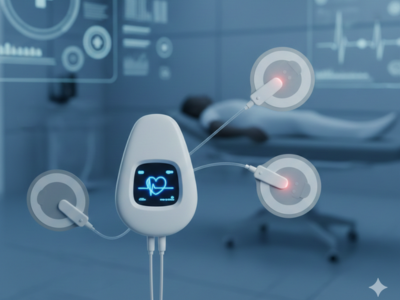

Cardiovascular disease continues to challenge healthcare systems worldwide, demanding more proactive and preventive strategies. In this evolving landscape, remote cardiac monitoring has emerged as a transformative approach to managing heart health. By combining wearable devices, digital platforms, and real-time analytics, remote cardiac monitoring allows clinicians to track cardiac activity beyond hospital walls. Consequently, this innovation enhances early detection, improves outcomes, and strengthens patient engagement.
Understanding Remote Cardiac Monitoring
Remote cardiac monitoring refers to the continuous tracking of heart activity using wearable or implantable devices connected to digital platforms. These systems collect real-time data such as heart rate, rhythm, and electrical activity. Subsequently, the information is transmitted securely to healthcare providers for analysis and timely intervention.
Unlike traditional cardiac assessments that occur during scheduled clinic visits, RCM enables uninterrupted surveillance. Therefore, physicians gain comprehensive insight into a patient’s heart health over extended periods rather than relying on isolated readings.
Modern remote cardiac monitoring systems include ECG patches, Holter monitors, implantable loop recorders, and smart wearable devices. These tools continuously record cardiac signals and transmit them through encrypted networks. In addition, integrated software platforms organize and analyze the collected data efficiently.
Artificial intelligence further enhances remote cardiac monitoring by detecting subtle abnormalities in cardiac patterns. As a result, clinicians receive automated alerts when the system identifies irregularities requiring attention.
The rising global prevalence of chronic heart conditions, including atrial fibrillation, heart failure, and hypertension, demands consistent and long-term surveillance. Remote cardiac monitoring (RCM) equips healthcare providers with advanced tools to identify brief or symptom-free cardiac events that may go undetected during occasional clinic appointments. Therefore, it plays a crucial role in proactive disease management and the prevention of serious acute complications.
Key Benefits of Remote Cardiac Monitoring
Early Detection of Cardiac Abnormalities
One of the most significant advantages of remote cardiac monitoring is early detection of arrhythmias. Conditions such as atrial fibrillation, tachycardia, and bradycardia often present intermittently and may go unnoticed during routine examinations. However, continuous digital tracking captures irregularities even when symptoms remain absent.
Therefore, physicians can initiate timely treatment plans and significantly reduce the risk of severe complications such as stroke or heart failure.
Improved Patient Engagement
RCM also empowers patients to take an active role in managing their heart health. Through mobile applications and digital dashboards, individuals can view their cardiac data regularly. Consequently, patients develop greater awareness of their condition and adhere more consistently to prescribed medications and lifestyle recommendations.
Moreover, increased engagement fosters stronger collaboration between patients and healthcare providers. This partnership ultimately enhances long-term treatment success.
Reduced Hospital Admissions
Another important benefit of RCM involves the reduction of hospital visits and emergency admissions. Since healthcare professionals can identify warning signs early, they intervene before conditions escalate. As a result, patients experience fewer acute episodes requiring hospitalization.
Furthermore, reduced hospital dependency lowers healthcare costs and optimizes resource allocation within medical institutions.
Clinical and Operational Advantages
Data-Driven Decision Making
Remote cardiac monitoring generates comprehensive datasets that support evidence-based clinical decisions. Physicians can review long-term trends, compare baseline readings, and adjust therapies accordingly. In addition, predictive analytics tools help forecast potential cardiac events. Therefore, treatment strategies become more personalized and proactive rather than reactive.
Enhanced Communication and Responsiveness
RCM strengthens communication between patients and cardiologists. Instead of waiting for scheduled appointments, clinicians receive real-time alerts regarding abnormal readings. Consequently, medical teams can respond promptly and adjust medications or recommend further evaluations without delay. This continuous communication improves trust and ensures timely care delivery.
Expanding Access to Cardiac Care
Remote cardiac monitoring significantly expands access to specialized cardiac services, particularly in rural and underserved regions. Patients who previously faced travel constraints can now receive expert supervision remotely. Therefore, this technology reduces disparities in cardiovascular care and ensures timely medical oversight.
Chronic cardiac conditions require long-term monitoring and consistent evaluation. RCM provides ongoing oversight, enabling clinicians to track disease progression effectively. Additionally, consistent monitoring reduces the likelihood of sudden deterioration. As a result, patients experience improved stability and enhanced quality of life.
Challenges and Considerations
- Technological Limitations: Despite its benefits, RCM presents certain operational challenges. Device accuracy, connectivity interruptions, and occasional false alerts may impact data reliability. Therefore, healthcare providers must select validated technologies and ensure proper patient training. Additionally, ongoing technical support enhances system effectiveness and patient confidence.
- Data Security and Privacy: Since remote cardiac monitoring involves digital transmission of sensitive health information, data protection remains critical. Healthcare organizations must implement encrypted systems and comply with regulatory standards. Consequently, maintaining patient trust depends on robust cybersecurity frameworks and transparent communication practices.
- Patient Adaptation and Education: Some individuals may initially feel overwhelmed by continuous monitoring technologies. Therefore, clinicians should provide clear guidance regarding device usage and data interpretation. Education and reassurance play essential roles in maximizing the benefits of RCM.
The Future of Remote Cardiac Monitoring
The adoption of remote cardiac monitoring continues to accelerate as healthcare systems embrace digital transformation. Technological advancements are improving device accuracy, battery life, and integration with electronic health records. Moreover, artificial intelligence is refining predictive capabilities, making early intervention increasingly precise.
As innovation progresses, RCM will likely become a standard component of preventive cardiology. Healthcare providers will increasingly rely on continuous digital insights to deliver personalized and efficient care.
Conclusion
Remote cardiac monitoring represents a pivotal advancement in cardiovascular healthcare. By enabling continuous surveillance, early detection, and data-driven intervention, it transforms traditional models of cardiac management. Furthermore, it enhances patient engagement, reduces hospital admissions, and expands access to specialized care.
Although challenges related to technology and data security remain, structured implementation and continuous innovation are strengthening its reliability. Ultimately, remote cardiac monitoring is redefining heart care by delivering proactive, precise, and patient-centered solutions for the modern era.