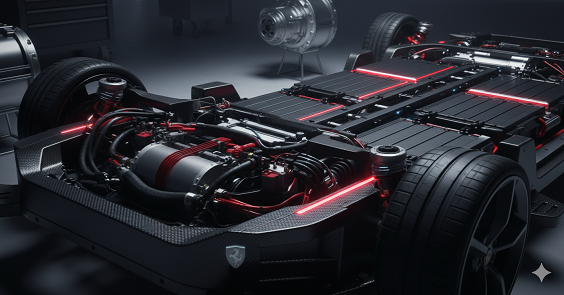

The introduction of the Nissan e‑Power hybrid represents a significant milestone as the company prepares to launch its new series hybrid system in the U.S. later this year. Nissan expects this design to attract drivers seeking an EV-like experience without dependence on charging stations. The system powers the wheels solely with an electric motor, while a small gasoline engine functions exclusively as a generator. This approach combines elements of an extended range EV (EREV) with a fuel-efficient, plug-free layout.
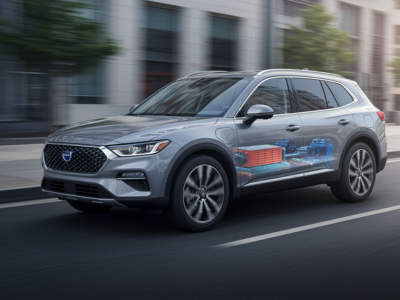
Nissan confirmed that the new e‑Power system will launch first in the updated Rogue SUV. The timing seems ideal as gas prices rise and EV adoption is slower than planned. Many shoppers now seek electrified vehicles that cut fuel use yet avoid charging concerns. Nissan expects the series hybrid system to offer quick acceleration, smooth handling and a quiet cabin, giving it an advantage as hybrid vs electric vehicle debates continue.
The e‑Power hybrid differs sharply from a traditional hybrid. Models like the Toyota Prius rely on both the gas engine and electric motor to move the car. In contrast, the e‑Power setup depends entirely on the electric motor for propulsion. The gas engine never drives the wheels. Instead, it works as a compact generator, keeping the battery energized and reducing fuel use. Nissan said this setup should deliver an EV driving experience without charging delays or range worries.
Nissan developed a new 1.5‑liter turbocharged three‑cylinder engine specifically for this series hybrid system. It improves efficiency at higher speeds, which has been the main weakness of past series hybrids. The company also redesigned internal packaging and updated components to match American expectations for power and comfort. Executives said the system offers stronger performance, better fuel economy and more refinement than earlier versions used in Asia.
Early test drives of a European model equipped with the system showed fast acceleration, solid regenerative braking and smooth behavior in city conditions. Drivers noticed engine noise during heavy loads, but it lacked the gear changes found in traditional gasoline cars. Nissan engineers said fewer moving parts reduce vibration and improve driving comfort. These traits will likely appeal to drivers who want an electric motor-powered car but still appreciate familiar sounds and simple fueling.
The system also eliminates a traditional transmission and driveshaft, simplifying the layout and reducing mechanical friction. Nissan believes these improvements will help the Rogue compete in the growing hybrid SUV segment. The company has sold more than 1.6 million e‑Power vehicles globally since 2016, but this marks the first U.S. launch.
At a time when EV growth has slowed, hybrids are gaining market share. Analysts expect hybrids to reach 18.4% of U.S. vehicle sales this year. Pure EVs, meanwhile, are expected to fall to 7.1%. Rising vehicle prices, limited charging access and demand for fuel efficient cars help explain the shift. Nissan hopes to capture buyers searching for eco‑friendly vehicles that remain convenient. Industry experts said the new system could give Nissan an edge as hybrid car market growth accelerates. The only drawback is reduced efficiency on long highway trips. Nissan aims to offset that with its redesigned engine and battery.
Nissan has not released pricing or fuel economy data for the U.S. Rogue e‑Power. A comparable European model achieved over 40 miles per gallon in city driving. If the Rogue matches this performance, it could surpass many gasoline SUVs and enhance Nissan’s standing in the low-emission segment. The company has not confirmed plans to expand e‑Power to other U.S. models, though engineers note the system’s modularity allows compatibility with various engines, providing flexibility as electrification advances.
The Hybrid Electric Vehicles Market continues to expand as automakers refine hybrid systems and invest in new designs. Companies now view hybrids as a strategy to balance performance, lower emissions and affordability while preparing for long-term electrification. With the Nissan e‑Power hybrid, the company hopes to deliver a practical bridge between gasoline and fully electric driving, one that may define the future of hybrid cars in the U.S.