
The global push for automotive electrification has reached an interesting crossroads for buyers and builders alike. For years, manufacturers focused on heavy, premium battery-powered SUVs that carry incredibly high price tags. This has led to many questions by the average commuter regarding when more affordable alternatives will become available. Today’s news of the Stellantis E-Car project marks a huge shift towards the mass market. By focusing on smart engineering and compact designs, this initiative aims to make clean transportation accessible to everyone. The project is different because it places the same level of emphasis on sustainability and affordability as two goals for the average consumer. Such a strategic approach can be the one to finally break the price barrier for many consumers finally.
Stellantis Launches Affordable E-Car Initiative for Urban Mobility
The Electric Vehicle market is currently experiencing an important evolution as organizations focus heavily on infrastructure development and domestic production. This trend highlights a significant transformation where U.S. market leaders are analyzing compact mass market electric vehicles to spark broader consumer interest. With the tracking of the development of urban mobility cars in the external environment, the organizations will be well-positioned to launch their entry-level fleet in the future. With the increasing demand for utility-driven vehicles in North America, the influence of the global engineering standards in the design of the factories has continued to be significant. Currently, the United States has the largest market share of electric vehicles.
How Europe’s Push for Small EVs Is Reshaping the Auto Industry
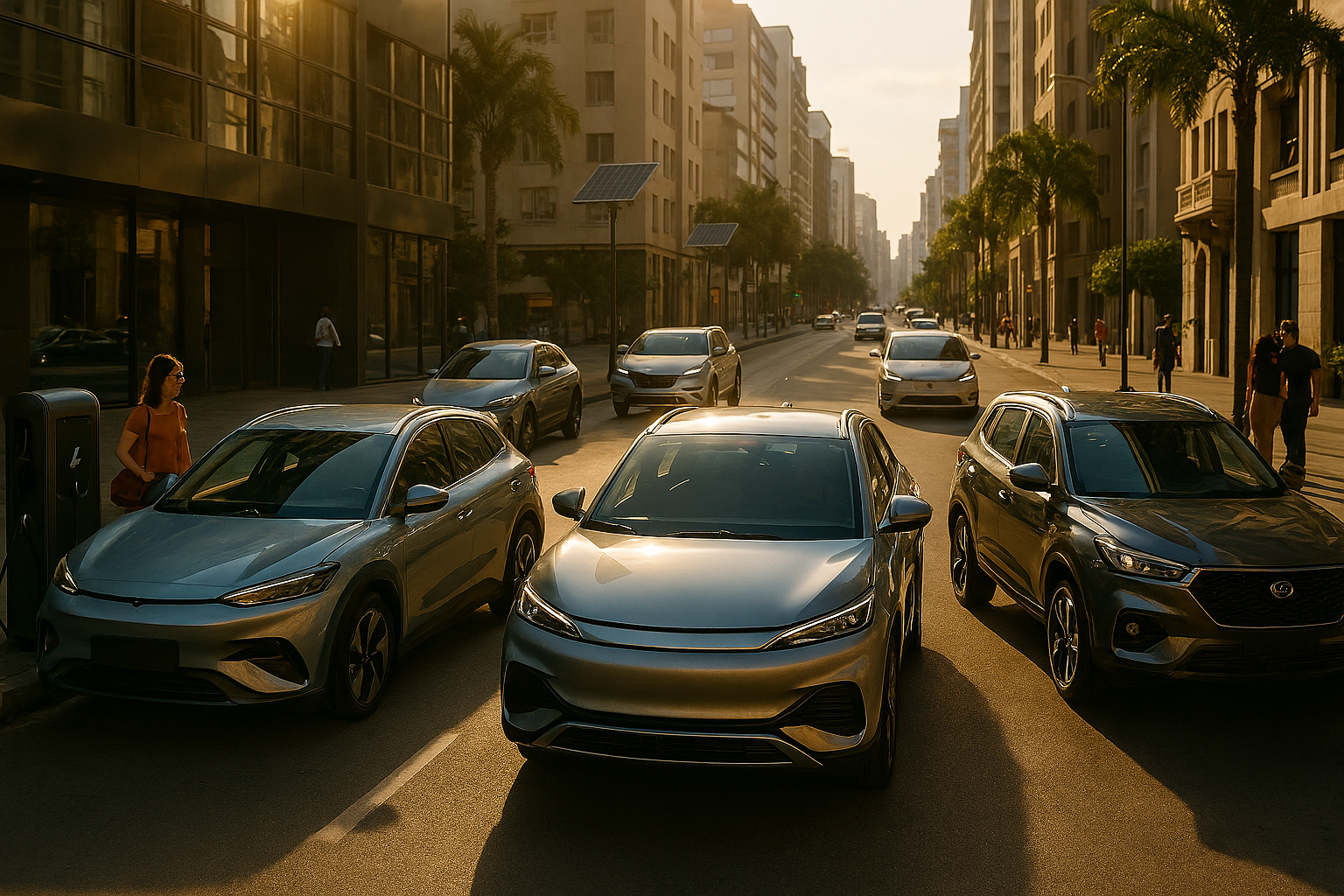
Car buyers are changing what they want from a modern city vehicle. The rapid growth of the small electric car market proves that huge trucks are no longer ideal for crowded metropolitan areas. Drivers are actively searching for nimble, efficient options that make parking and navigating tight streets stress-free. This huge surge in interest forces traditional car manufacturers to start afresh by reconsidering their whole product lines. To design a successful urban mobility electric vehicle, one has to depart from the past approach, which focused on luxury cars. On the contrary, factories have to adjust to producing small platforms, which will ensure maximum passenger space without increasing the external size of the car.
Pomigliano d’Arco Plant Selected for 2028 E-Car Production
The decision to build these new vehicles in southern Italy is a deeply strategic choice. Stellantis selected its historic Pomigliano d’Arco facility to head up the EV production in Italy, with the Pomigliano pipeline starting in 2028. The particular plant is renowned for its ability to produce large volumes of products in a very efficient manner. Selecting this location gives the car manufacturer an opportunity to save valuable engineering jobs related to design in Europe, as well as make improvements to existing factory equipment. This factory will incorporate traditional assembly methods together with new battery installation technologies that are highly automated. This combination makes it possible for the line to start functioning immediately.
Reviving the “People’s Car” Concept for the Electric Era
The core philosophy behind this project draws clear inspiration from classic automotive history. Decades ago, vehicles like the original Fiat Panda provided simple, dependable transportation for millions of working-class families. The E-Car concept Stellantis has introduced aims to capture that same reliable spirit for the modern, zero-emission age. Positioned naturally as a spiritual Fiat Panda successor EV, this new line honors the tradition of accessible mobility. The company wants to reverse the recent trend where entry-level hatchbacks have completely vanished from dealership showrooms. Reviving this simple concept proves that an electric car does not need to be a complex status symbol to be successful.
Balancing Affordability, Design, and Sustainability in EV Development
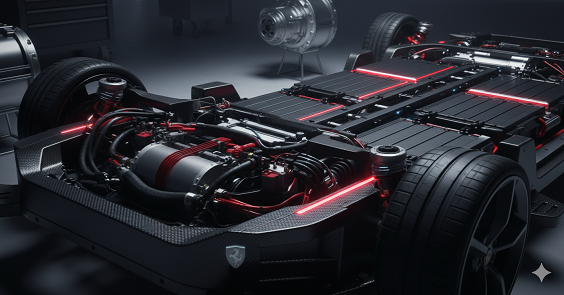
Creating a cheap vehicle is easy, but building an excellent, inexpensive vehicle requires true engineering brilliance. Stellantis is working hard to match shifting EV affordability trends without cutting corners on modern safety or visual style. To maintain this balance, the car maker is collaborating with some of the world’s leading technologies in the development of its small BEV platform. This approach will help reduce development costs and speed up the time to market for the vehicle. Design considerations will be such that recycled and lightweight materials will be used in order to increase the efficiency of the battery and thus the range of the vehicle.
How Stellantis Plans to Expand Its European Electric Vehicle Portfolio
The automotive giant is not just betting its future on a single, isolated model line. This project serves as the foundational architecture for an ambitious, multi-brand EV market expansion in Europe. The new underpinnings will eventually support unique, distinct models for several brands under the corporate umbrella. This shared structure allows the company to rapidly scale production of next-generation compact EVs while maintaining low individual component costs. Sharing high-tech electronics and electric motors across different brands gives the group a distinct advantage over smaller startups. It ensures that diverse customer segments can find a specific vehicle configuration that matches their personal taste.
EU Policy Support for Small Affordable Electric Vehicles
Building low-cost vehicles locally requires more than just smart factory management; it requires an encouraging legislative environment. The European Commission EV policy framework is actively moving to protect and support regional manufacturing efforts. New guidelines are being shaped to create specific regulatory categories for smaller, hyper-efficient electric city cars. These upcoming rules are designed to reward companies that build compact, clean vehicles close to their primary buyers. For Stellantis, this favorable political landscape provides the long-term economic stability needed to invest heavily in local infrastructure. Strong institutional backing makes it significantly safer for major corporations to commit to large-scale, domestic clean-energy manufacturing.
What the E-Car Project Means for the Future of Mass EV Adoption
The success of this initiative could rewrite the playbook for the global transition to clean energy. For too long, the narrative around electrification has been dominated by premium price tags and exclusive features. Introducing a wave of genuinely low-cost electric vehicles changes the conversation entirely for the average consumer. It transitions the technology from a trendy luxury item into a practical, everyday household appliance. As production volume scales up after 2028, the financial lessons learned here will likely influence global automotive and automotive battery strategies. Making clean transportation truly affordable is the only definitive way to achieve lasting, worldwide carbon reduction.