
The modern retail landscape is facing a multi-billion-dollar challenge that industry insiders frequently call a silent killer. AI retail returns management has emerged as the frontline defense against a tide of sent-back merchandise that reached nearly $849.9 billion last year. As digital storefronts continue to dominate, the friction of mismatched expectations and reality has created an unsustainable cycle for many brands. Artificial intelligence now offers a sophisticated toolkit to bridge this gap, moving beyond simple size charts to immersive experiences.
By leveraging data-driven insights, businesses are finally finding ways to predict and prevent the dissatisfaction that leads to a return. This technological shift is not just about saving a sale; it is about fundamentally redefining the relationship between the digital consumer and the physical product. In this blog, we dive into how cutting-edge AI is tackling retail’s toughest challenge, smoothing out logistical snags and bringing high-fidelity virtual replicas to life. How exactly is technology turning this crisis into an opportunity?
How is AI Transforming U.S. E-commerce Profitability?
The U.S. market is currently the epicenter for high-stakes retail profitability strategies as domestic brands grapple with rising logistics costs and shifting consumer habits. Market leaders are increasingly adopting AI shopping solutions to create a more efficient, high-margin sales environment that prioritizes precision over sheer volume. This expansion of AI in the retail and e-commerce sectors is driven by a strategic move toward natural demand, where technology replaces heavy discounting as the primary driver of conversion.
How Are AI Startups Tackling Retail’s Silent Killer Returns?
A new generation of fashion AI startup ventures is entering the fray with a specific focus on proactive return prevention. These companies recognize that the most expensive return is the one that has already shipped, so they focus their efforts on the pre-purchase phase. By analyzing vast datasets of fabric behavior and body measurements, these startups provide a level of accuracy that was previously impossible. This approach directly addresses the primary cause of online shopping challenges: uncertainty. When a customer feels confident in the fit and style of an item, the likelihood of that product ending up back in a warehouse drops significantly. These innovators are turning the silent killer of returns into a manageable variable through pure technical ingenuity.
Can Virtual Try-on Technology Reduce Costly Online Returns?
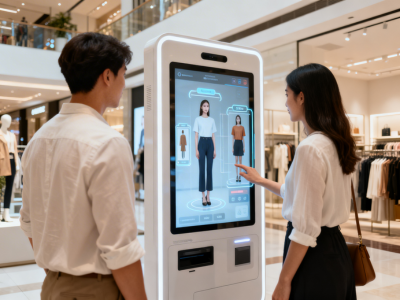
Virtual try-on features are quickly becoming a key tool for reducing online returns. With this technology, shoppers can see how clothes look on their own body type, skin tone, and height before making a purchase. This visual check helps retailers cut down on bracketing, where customers order several sizes to try at home. Companies like Google and Amazon are already adding these tools to search results and product pages, making them a regular part of online shopping. The result is a more informed consumer who is less likely to be surprised by the arrival of their package. For the retailer, this means fewer touches on a garment and a much healthier bottom line.
Why Are Gen Z Shoppers Driving Online Return Challenges?
The demographic shift toward Gen Z has introduced a new set of U.S. retail trends that have caught many legacy brands off guard. Younger shoppers, aged 18 to 30, are the most prolific returners, averaging nearly eight returns per person annually. This behavior is often driven by a buy-to-try culture fueled by social media trends and the expectation of seamless, free logistics. However, this high-volume consumer purchase behavior places an immense strain on retail margin protection efforts. AI helps mitigate this by meeting Gen Z where they are, on their smartphones with interactive and engaging interfaces. By making the fit-finding process social and high-tech, brands can steer this demographic away from excessive returning and toward more intentional purchasing.
How Are Major Brands Using AI to Cut Returns?
Industry giants are no longer waiting for the future; they are building it through aggressive AI-driven retail implementations. Zara launched a try-on feature to stop customers from buying multiple sizes, helping the company keep profits up in a challenging market. ASOS works with tech firms so shoppers can view clothes on different body types, which has led to fewer returns. Gap is trying out Google’s Gemini to provide AI-powered checkout and style tips in its online store. All three brands use return reduction technology to improve their stock performance and build customer loyalty.
- Zara: Implemented return fees combined with virtual tools to shift consumer habits toward more deliberate shopping.
- ASOS: Focused on inclusivity by showing garments on varied body types, which reduced aesthetic returns significantly.
- Gap: Integrated generative AI assistants to provide real-time styling advice that mirrors the experience of an in-store associate.
- Shopify: Empowered smaller merchants by integrating AI apps that offer professional-grade fit guidance at a fraction of the cost.
Can AI Boost Conversion While Protecting Margins?
The ultimate goal of any AI conversion optimization strategy is to increase sales without simultaneously increasing the cost of doing business. AI achieves this by acting as a highly skilled digital sales associate that knows when to suggest a size up or a different style entirely. By guiding the customer to the right product the first time, retailers see a massive reduction in the logistical nightmare of processing a return. This efficiency protects the retail margin protection goals that are so critical in an inflationary environment with rising labor costs. When AI works correctly, the customer is happier because they got what they wanted, and the retailer is more profitable because the product stayed sold. This win-win scenario is why AI has become a non-negotiable part of the modern e-commerce stack.
What Are the Limitations of AI in Retail Returns Management?
Despite the incredible progress, it is important to remember that AI is not a fix-all solution for every logistical problem. There are still physical sensations, like the itchiness of a wool blend or the specific weight of a shoe, that a virtual try-on cannot replicate. Furthermore, if a retailer’s underlying inventory data is inaccurate, even the most advanced AI for retailers will provide the wrong recommendations. Successful brands are those that use AI to amplify their existing strengths rather than using it as a mask for poor product quality. As Simeon Siegel noted, what you sell is always more important than how you sell it. Therefore, AI should be viewed as a powerful tool for clarity, not a magic wand that can sell a bad product.
How Will AI Reshape the Future of U.S. E-commerce?
The trajectory of the U.S. retail trends landscape points toward a future where returnless shopping becomes the ultimate objective. We expect to see even deeper integration between social media platforms and digital twin technology, making every screen a personalized fitting room.
- Hyper-Personalization: AI will eventually predict what you want to buy and in what size before you even realize you need it.
- Sustainable Logistics: Fewer returns mean a significantly smaller carbon footprint, aligning retail profitability with environmental goals.
- Hardware Integration: The rise of AR glasses and better mobile sensors will make creating a digital twin as easy as taking a selfie.
- Regulatory Shifts: As the cost of returns becomes more visible, we may see industry-wide shifts in how free returns are advertised and managed.
Future Outlook for AI Retail Returns
AI-driven return management is quietly transforming retail. Rather than merely reacting to returns, retailers are now using AI to prevent them before they happen. These advanced tools look at customer behavior, sizing choices, and product preferences to help reduce mismatches and unhappy customers. As AI becomes more common, cutting down on returns is becoming just as important as boosting sales and keeping customers coming back. For U.S. retailers dealing with the challenges of online shopping, using AI to reduce returns is quickly becoming a must. Adopting these tools not only cuts losses but also improves the customer experience, builds loyalty, and supports long-term growth.