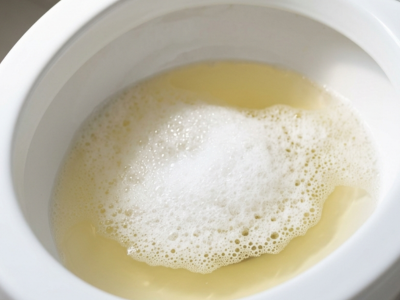

Foamy urine can appear harmless at first, yet it often raises concern when it persists or becomes more noticeable. Many people observe foamy urine occasionally, especially after urinating quickly or with force. However, persistent foamy urine may indicate underlying health conditions that require medical attention. Therefore, understanding the causes of foamy urine and recognizing warning signs can help individuals take timely action and protect their kidney health.
What Is Foamy Urine
Foamy urine refers to urine that appears bubbly, frothy, or similar to foam seen when pouring a carbonated drink. In many cases, foamy urine occurs due to harmless reasons such as rapid urination or temporary dehydration. However, if foamy urine appears frequently or worsens over time, it may signal an underlying medical issue. Moreover, occasional foamy urine usually resolves quickly without intervention. On the other hand, persistent foamy urine often requires further evaluation to identify the root cause.
Common Causes of Foamy Urine
1. Dehydration
Dehydration is one of the most common causes of foamy urine. When the body lacks sufficient fluids, urine becomes concentrated and contains more solutes. As a result, this concentration creates bubbles that resemble foam. Additionally, dehydration often causes dark yellow urine along with foamy urine. Increasing water intake usually resolves this issue effectively.
2. Proteinuria (Excess Protein in Urine)
Proteinuria is a major medical cause of foamy urine. Normally, kidneys filter waste while retaining essential proteins in the bloodstream. However, when kidney function is impaired, proteins leak into the urine, causing a foamy appearance. Furthermore, proteinuria may indicate serious conditions such as chronic kidney disease, diabetes, or high blood pressure. Persistent foamy urine due to proteinuria requires prompt medical evaluation.
3. Kidney Disease and Dysfunction
Kidney disease is closely associated with foamy urine. When kidneys become damaged, they fail to filter blood effectively, allowing proteins to pass into urine. Consequently, this leads to noticeable foam. Conditions such as chronic kidney disease, glomerulonephritis, and nephrotic syndrome commonly contribute to foamy urine. Therefore, individuals experiencing persistent foamy urine should consider kidney function testing.
4. Urinary Tract Infections (UTIs)
Urinary tract infections can also cause foamy urine. Infections alter urine composition, leading to foam formation. Additionally, UTIs often present with symptoms such as burning sensations, frequent urination, and cloudy urine. If foamy urine occurs along with these symptoms, medical consultation is essential for diagnosis and treatment.
5. Diabetes and Kidney Health
Diabetes significantly impacts kidney health and may lead to foamy urine. High blood sugar levels damage kidney filters over time, causing protein leakage into urine. Therefore, individuals with diabetes who notice foamy urine should monitor their kidney function regularly. Early detection helps prevent complications and preserves kidney health.
6. Other Possible Causes
Several additional factors may contribute to foamy urine. For instance, retrograde ejaculation in men can cause foam due to semen entering the bladder. Similarly, certain medications and rare conditions like amyloidosis may also lead to foamy urine. Moreover, even external factors such as toilet cleaning chemicals can sometimes create a foamy appearance. Therefore, it is important to observe patterns before concluding.
Foamy Urine and U.S. Health Data Insights
Foamy urine is often associated with proteinuria, which can indicate early kidney dysfunction. Therefore, understanding population-level data helps highlight why persistent foamy urine should never be ignored. According to the U.S. Centers for Disease Control and Prevention (CDC), more than 1 in 7 adults in the United States, approximately 35.5 million people, have chronic kidney disease (CKD).
Moreover, the CDC reports that as many as 9 in 10 adults with CKD are unaware of their condition, which makes early symptoms like foamy urine critically important. In addition, CKD remains a major public health concern. The CDC highlights that kidney disease is a leading cause of death in the United States, and hundreds of individuals begin treatment for kidney failure every day. The key drivers shaping chronic kidney disease include increased investment and research funding for kidney disease, enhanced patient compliance through advanced monitoring technologies, and a growing demand for dialysis medications.
When Is Foamy Urine a Concern
Although foamy urine is often harmless, certain situations require medical attention. Persistent foamy urine that lasts more than a few days should not be ignored. Additionally, increasing foaminess over time may indicate worsening kidney function.
Doctors recommend seeking medical help if foamy urine is accompanied by other symptoms. These symptoms include swelling in the legs or face, fatigue, changes in urination frequency, or high blood pressure. Furthermore, foamy urine combined with edema may strongly indicate kidney disease and requires urgent evaluation.
Diagnosis of Foamy Urine
Diagnosing the cause of foamy urine involves a systematic medical evaluation. Initially, doctors perform a urinalysis to check for protein levels and other abnormalities. If protein is detected, further tests may be required to assess kidney function and identify underlying conditions. In some cases, imaging studies or blood tests may also be recommended. Early diagnosis plays a crucial role in preventing disease progression and improving treatment outcomes.
Treatment Options for Foamy Urine
Treatment for foamy urine depends entirely on the underlying cause. For dehydration, increasing fluid intake is usually sufficient. However, medical conditions require targeted treatment. For example, proteinuria caused by diabetes or hypertension requires proper management of blood sugar and blood pressure. Similarly, UTIs are treated with antibiotics, while kidney diseases may require specialized care. Therefore, identifying the cause is essential before starting any treatment plan.
Preventive Measures
Preventing foamy urine involves maintaining overall urinary and kidney health. Firstly, staying well-hydrated helps prevent concentrated urine and reduces foam formation. Secondly, managing chronic conditions such as diabetes and hypertension is crucial. Regular health checkups also help detect early signs of kidney dysfunction. Additionally, adopting a balanced diet and limiting excessive salt intake supports kidney health. These preventive measures significantly reduce the risk of persistent foamy urine.
Conclusion
Foamy urine is a common observation that can result from both harmless and serious causes. While occasional foamy urine is usually not a concern, persistent foamy urine may indicate underlying health issues such as proteinuria or kidney disease. Therefore, individuals should monitor their symptoms carefully and seek medical advice when necessary. Early diagnosis and timely treatment can prevent complications and ensure better health outcomes. Ultimately, understanding the causes of foamy urine empowers individuals to take proactive steps toward maintaining their kidney health and overall well-being.