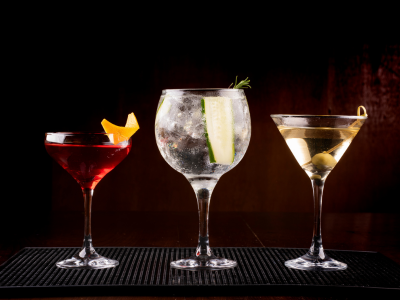

Gen Z has entered the global bar scene with unusual confidence. They care about flavors, but they care even more about the vessel. As a result, Cocktail glass aesthetics now matter more than ever. This generation does not treat glasses as props. Instead, they view them as extensions of personal identity and cultural expression.
Moreover, they expect design, sustainability, and technology to blend smoothly. Therefore, the modern cocktail glass faces pressure from every angle. It must look good, feel smart, and photograph beautifully. It must also survive harsh dishwashers and chaotic gatherings. That is a tall order, yet Gen Z demands nothing less.
The Visual First Mindset
Gen Z grew up in front of cameras. Their lives move through screens, filters, and instantly shareable moments. Consequently, appearance shapes value more than it did for older generations. A drink should taste good, but it must also tell a visual story. This generation evaluates a glass by how well it holds light. They study its silhouette, texture, and reflection. Moreover, they want designs that enhance mood and boost feed aesthetics. Therefore, Cocktail glass aesthetics shift toward strong shapes and expressive colors.
A glass must make the cocktail look elevated. It should also add personality to the frame. Because of this, brands experiment with frosted finishes, holographic tones, and sculptural stems. The result is a new era of barware that treats visual drama as a design principle.
Social Media: The Secondary Bar Counter
The world drinks online before drinking in real life. Platforms like TikTok and Instagram now dictate which glass shapes trend globally. A single creator can spark a worldwide design movement within days. As a result, bars and brands track digital chatter carefully.
Furthermore, social media encourages experimentation. People try neon accents, geometric ridges, and color-shifting patterns because they look striking in short videos. They also follow micro-influencers who review affordable glassware. Therefore, Cocktail glass aesthetics evolve through digital micro-trends rather than traditional design cycles. This shift also creates regional diffusion. A bar design trend in Seoul may influence home bars in Toronto within a week. Meanwhile, a coastal café in Barcelona can inspire glass shapes in Melbourne. The flow of ideas is fast and borderless, making aesthetics both global and diverse.
Minimalism and Maximalism: The Dual Style Identity
Gen Z has a flexible aesthetic identity. They enjoy clean, minimalist glasses on slow evenings. Yet they embrace bold, maximalist designs at loud gatherings. Both styles thrive because both reflect emotional contrast. Minimalism appeals to Gen Z’s love for calm spaces. Straight lines, thin rims, and clear bowls offer quiet elegance. They highlight the drink itself and align with modern interior styles.
Maximalism, however, suits expressive social moments. Think rainbow tints, chunky stems, and textured surfaces. These designs spark conversation and animate photos. Therefore, Cocktail glass aesthetics allow room for both moods. Many brands now blend the two styles. Clean bowls pair with ornate bases. Smooth silhouettes combine with bold color gradients. This hybrid approach satisfies complex preferences and keeps collections versatile.
Functionality Matters as Much as Style
Gen Z loves beauty, but they value smart practicality. They want glasses that work in small apartments and survive frequent gatherings. Consequently, durability, grip, and stackability matter a great deal. They expect weighted bases that prevent spills, request rims that resist chipping, and enjoy textures that offer better control. Therefore, Cocktail glass aesthetics now include invisible engineering touches.
Materials also evolve. Tritan, high-grade polymers, and borosilicate glass enter mainstream catalogues. These materials feel premium yet handle rough use. Young consumers prefer such choices because they balance elegance with reality.
Sustainability: The Silent Design Influencer
Gen Z cares deeply about environmental responsibility. Their values influence how brands design glasses and how buyers choose them. They seek recycled glass, low-waste production, and ethical manufacturing practices. As a result, Cocktail glass aesthetics incorporate sustainability as a defining feature. Brands respond with upcycled collections and transparent sourcing. Packaging also shifts toward recyclable materials and minimalist printing. Moreover, people avoid disposable partyware in favor of durable sets.
This generation does not treat sustainability as a trend. They treat it as a moral baseline. Therefore, aesthetics feel incomplete without ethical alignment.
Cultural Expression in Global Context
Gen Z’s aesthetic preferences are global, yet deeply local. Their tastes blend cultural heritage with contemporary influences. This creates a richer and more complex visual landscape. In North America, home-entertaining culture pushes versatile designs. In Scandinavia, simplicity dominates the bar cart. Latin America embraces handblown textures and bold colors. The Middle East favors metallic motifs and elegant curves. Meanwhile, Asian markets prefer compact shapes suited to urban living.
As a result, Cocktail glass aesthetics form a cultural conversation. Glass designs carry global influences but still honor regional identity. This makes the market far more diverse than in previous decades.
The Science of Shape and Sensation
While visuals matter, taste and aroma guide design as well. Glass shapes influence how cocktails behave. Gen Z values this science because it adds depth to the drinking experience. Wide bowls release aromatic compounds more freely. Narrow openings help focus scent. Thicker stems regulate temperature transfer. Textured bowls create tactile pleasure. Therefore, Cocktail glass aesthetics combine sensory logic with visual appeal.
Young drinkers enjoy understanding these principles. They also enjoy choosing shapes that amplify flavor and experience. This scientific awareness pushes brands to innovate intelligently.
Personalization: A New Social Signal
Individuality is a cornerstone of Gen Z identity. They want glassware that feels personal. Subtle etching, zodiac motifs, color variations, and modular stems satisfy this desire. These touches offer uniqueness without feeling gimmicky. Gifting trends support this shift. Personalized cocktail glasses serve as thoughtful presents. Meanwhile, limited-edition designs encourage collecting. As a result, Cocktail glass aesthetics express personality and story more than ever.
Home Bartending: The Experimental Playground
Home bars exploded worldwide in the last decade. Gen Z embraced the trend with enthusiasm. They experiment with tools, recipes, and presentation. Therefore, their homes become creative labs for aesthetics. They shoot content, host gatherings, and refine setups, seek glasses that suit compact spaces but still look stylish, and enjoy stackable sets, multi-purpose shapes, and protectively coated surfaces. Consequently, Cocktail glass aesthetics adapt to real-world spaces and young lifestyles.
Pricing Logic: Affordable Luxury Wins
Gen Z spends thoughtfully. They appreciate premium craftsmanship but dislike inflated prices. Therefore, they favor brands offering affordable luxury. This balance encourages wide experimentation without guilt. Direct-to-consumer labels flourish under this preference. Transparent pricing and honest marketing resonate with young buyers. As a result, Cocktail glass aesthetics become accessible across budgets.
Bars Follow the Trendsetters
Bars once dictated glass trends, but the power now shifts toward consumers. Hospitality venues adapt to the preferences they observe online. They choose photogenic glasses that draw crowds and boost social sharing. Bars also collaborate with creators and local artists. They design signature collections for themed nights and seasonal menus. Therefore, Cocktail glass aesthetics influence hospitality strategy and guest engagement.
Conclusion: A Generation Raising the Bar
Gen Z is reshaping global drinking culture through unapologetic creativity. They expect glasses to reflect values, personality, and lifestyle. Consequently, Cocktail glass aesthetics evolve faster than ever. They merge function, sustainability, sensory science, and visual drama. This generation wants meaning, beauty, and intelligent design in every sip. They influence bars, brands, and global markets. And they do it with humor, confidence, and sharp aesthetic instinct.
The next evolution in barware will not come from tradition. It will come from Gen Z’s bold vision. And honestly, the future looks stylish.