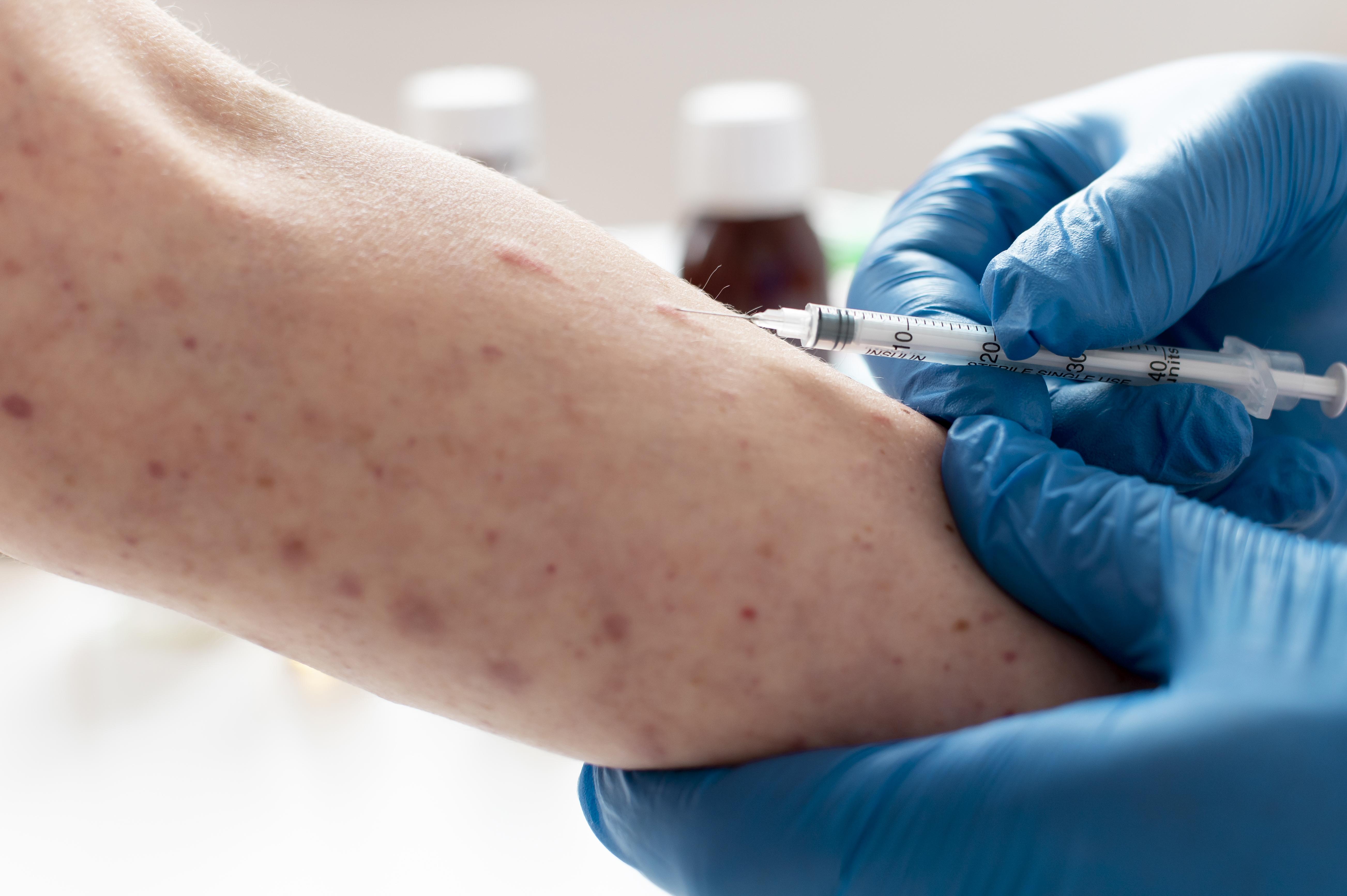

EU ministers recently underwent Blood Testing to detect traces of “forever chemicals” in their bodies. This initiative aims to spotlight PFAS risks and promote meaningful regulatory change. Scientists and environmental groups have long warned that these persistent chemicals pose serious health hazards. By leading with example, ministers aim to raise awareness and garner support for decisive action.
PFAS refers to a group of synthetic chemicals used in everyday items like nonstick pans, waterproof fabrics, and food containers. These compounds resist heat, water, and oil, making them both useful and nearly indestructible. Once released into the environment, they linger in soil, air, and water for decades. Even more troubling, they accumulate in the human body. Prolonged PFAS exposure is linked to hormone disruption, immune suppression, high cholesterol, and cancer. As a result, the European Union has proposed a near-total ban on these dangerous substances.
The ministers' blood testing results will be published in an open and transparent public report for the people to know. By doing so, they aim to ensure trust in the process. Citizens will be able to see real data about PFAS exposure, including that of political leaders. Moreover, this visibility may encourage others, such as corporate executives or healthcare leaders, to take part in similar screenings. At the same time, the European Chemicals Agency (ECHA) is compiling data to support the upcoming policy.
Recently, studies have found PFAS in drinking water, agricultural fields, and food supplies across Europe. Consequently, the issue has escalated from scientific concern to public outcry. Health professionals warn that these “forever chemicals” pose not just a future risk, but also an immediate impact on human health. That’s why the Blood Testing effort by EU ministers is so timely. It connects policy with personal experience.
Some critics argue that a complete ban on PFAS could negatively impact industries that rely on these compounds. Sectors such as electronics, medical technology, and automotive manufacturing face challenges. Nevertheless, EU officials maintain that the safer alternatives are already present. They stress that inaction would come at a greater cost to public health and future generations. The ministers' decision to test blood shows they’re committed to finding real solutions rather than avoiding hard choices.
This action is also part of a larger environmental vision. The European Green Deal calls for zero pollution and healthier communities. Within that framework, Blood Testing represents a clear step toward ecological accountability. If successful, this move could inspire similar efforts in North America, Asia, and beyond. International momentum often follows bold leadership.
Importantly, PFAS pollution is not limited to areas near industrial centers. Researchers have detected PFAS in polar ice, marine wildlife, and remote farmland. This widespread contamination suggests that no one is immune to it. Therefore, raising public awareness is crucial. The Blood Testing initiative helps connect everyday people to the invisible risks they may be facing.
Looking forward, the EU is expected to finalize its PFAS proposal early next year. Until then, stakeholders will continue to debate exemptions, timelines, and enforcement mechanisms. Meanwhile, the ministers' blood testing results may shape how citizens perceive chemical risk. These data points could influence voting, public consultation, and legal frameworks in all EU member states and the ministers.
By taking this step, the EU sends a clear message: transparency, accountability, and health are paramount. Government officials are not distancing themselves from environmental dangers; they are facing them head-on. The Blood Testing initiative sets a new standard for leadership in public health and environmental protection. Ultimately, it could help shift global standards for chemical regulation, inspiring countries worldwide to take similar steps in safeguarding human and ecological well-being.