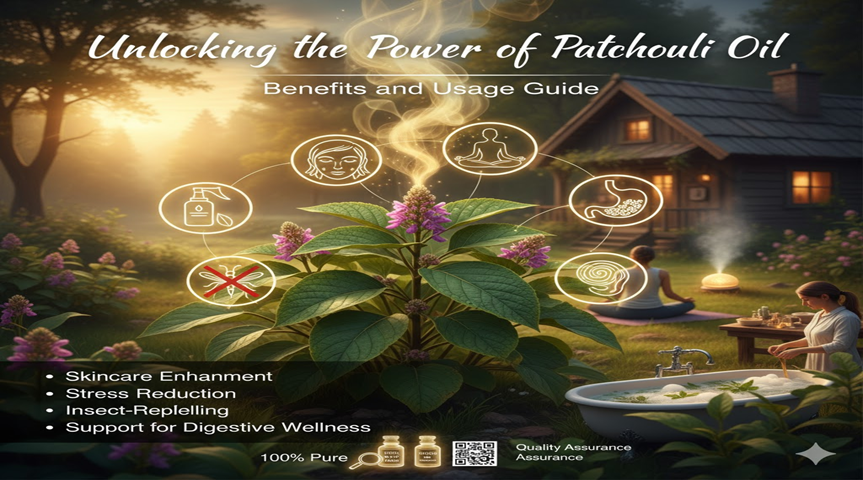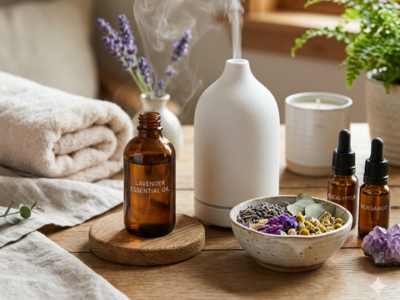

Aromatherapy has emerged as a powerful wellness approach that blends science, nature, and innovation to improve human health. Today, aromatherapy influences industries ranging from personal care to healthcare while offering effective solutions for stress, sleep, and emotional balance. Moreover, the aroma industry continues to evolve, creating advanced formulations that enhance both physical and mental well-being.
Understanding Aromatherapy in Modern Wellness
Aromatherapy refers to the controlled use of essential oils and aroma compounds to support overall health and wellness. These compounds may be natural, nature-identical, or synthetically developed for stability and performance in various applications. In addition, aromatherapy works through the olfactory system, where scent molecules travel to the brain’s limbic system. Consequently, this interaction influences emotions, memory, and behavior, making aromatherapy a valuable tool for emotional regulation and relaxation. Furthermore, industries use aromatherapy across multiple product categories, including home fragrances, wellness solutions, and therapeutic environments. As a result, aromatherapy has become a key component of modern lifestyle and health management strategies.
Types of Aromatherapy Applications
Aromatherapy operates across three primary categories, each serving distinct purposes in wellness and industry.
- First, cosmetic aromatherapy focuses on enhancing personal care products such as lotions, soaps, and creams. These applications combine fragrance with mild therapeutic benefits, thereby improving daily self-care routines.
- Second, clinical aromatherapy supports relaxation and physical comfort through massage oils and inhalation therapies. Consequently, wellness centers and spas widely adopt this approach to reduce stress and promote recovery.
- Third, holistic or industrial aromatherapy targets large environments like offices, hospitals, and hotels. In these settings, aromatherapy improves mood, productivity, and overall ambiance through controlled scent diffusion systems.
The Science Behind Aromatherapy
Aromatherapy relies on the interaction between aroma compounds and the human nervous system. When individuals inhale essential oils, the body processes these compounds through neural pathways connected to emotional centers. Research highlights that essential oils contain bioactive compounds such as phytoncides, which may support stress reduction and immune function. Additionally, aromatherapy shows potential in managing anxiety, pain, and certain physiological conditions. However, it is important to note that aromatherapy functions primarily as a complementary therapy rather than a replacement for medical treatment. While many users report benefits, scientific evidence varies depending on the condition and method of use.
U.S. Perspective on Aromatherapy
In the United States, aromatherapy is increasingly recognized as a complementary wellness approach supported by government health agencies. According to the National Institutes of Health, aromatherapy uses essential oils to promote relaxation, reduce stress, and enhance overall well-being through inhalation or topical application. Furthermore, clinical research reviewed by U.S. authorities shows that aromatherapy may help manage anxiety, pain, and sleep disorders when used alongside conventional treatments. However, regulatory bodies emphasize that aromatherapy products must meet safety standards, especially when marketed with therapeutic claims. Therefore, aromatherapy continues to gain credibility as part of integrative health practices while maintaining a strong focus on safety and evidence-based use.
Health Benefits of Aromatherapy
Aromatherapy offers a wide range of health benefits that address both mental and physical well-being.
- Stress Reduction and Emotional Balance: Modern lifestyles often lead to chronic stress and emotional fatigue. Aromatherapy helps reduce stress by promoting relaxation through calming scents such as lavender and sandalwood. Consequently, individuals experience improved emotional stability and reduced anxiety levels.
- Improved Sleep Quality: Sleep disorders have become increasingly common in today’s fast-paced world. Aromatherapy supports better sleep by calming the nervous system and preparing the body for rest. Therefore, many people use aromatherapy diffusers and sleep blends to enhance nighttime routines.
- Enhanced Focus and Mental Clarity: In work and study environments, aromatherapy improves concentration by using fresh and herbal fragrance profiles. As a result, individuals experience increased productivity and mental alertness during demanding tasks.
- Mood Enhancement and Positivity: Aromatherapy also plays a crucial role in uplifting mood and creating positive emotional experiences. Carefully designed aroma blends stimulate feelings of happiness and energy, thereby improving overall mental health.
- Physical Comfort and Relaxation: When used in massage therapies, aromatherapy helps relax muscles and improve blood circulation. In addition, certain essential oils provide relief from tension headaches and minor physical discomfort, enhancing overall comfort.
Role of the Aroma Industry in Health Transformation
The aroma industry plays a vital role in advancing aromatherapy by developing high-quality ingredients and innovative delivery systems. Manufacturers focus on creating stable, safe, and effective formulations that meet modern consumer demands. Moreover, technological advancements such as smart diffusers allow precise control of scent intensity and timing. Consequently, users can customize aromatherapy experiences based on their preferences and needs. In addition, the industry supports multiple sectors, including healthcare, hospitality, retail, and corporate environments. Aromatherapy enhances customer experiences, improves workplace productivity, and promotes relaxation in therapeutic settings.
Importance of Aroma Chemistry and Formulation
Successful aromatherapy products depend on the balance of aroma chemistry and fragrance composition. Individual compounds such as linalool and eucalyptol contribute specific properties that influence relaxation, focus, and emotional well-being. Furthermore, proper formulation ensures consistency, safety, and effectiveness in aromatherapy applications. Manufacturers carefully design blends to maintain stability and prevent adverse reactions during long-term use. Therefore, the combination of science and creativity drives innovation in aromatherapy product development.
Market Growth and Future Trends
Aromatherapy continues to grow rapidly due to increasing awareness of mental health and wellness. Consumers actively seek natural and non-toxic solutions, which further drives demand for aromatherapy products. Additionally, the integration of aromatherapy into smart homes and wellness technologies represents a significant trend. As innovation advances, aromatherapy will likely become more personalized and data-driven. At the same time, sustainability plays a crucial role in shaping the future of the aroma industry. Companies focus on ethical sourcing, eco-friendly production, and transparent supply chains to meet consumer expectations.
Safety Considerations in Aromatherapy
While aromatherapy offers numerous benefits, users must follow safety guidelines to avoid potential risks. Essential oils can cause allergic reactions or irritation if used improperly. Therefore, individuals should dilute oils, use proper dosages, and consult professionals when necessary. Moreover, aromatherapy should complement, not replace, medical treatments for serious health conditions. Responsible use ensures safe and effective outcomes in wellness practices.
Aromatherapy has transformed from a traditional practice into a science-driven wellness solution supported by the modern aroma industry. Through its ability to influence emotions, improve sleep, and enhance overall health, aromatherapy continues to gain global recognition. Furthermore, the integration of advanced technologies and high-quality formulations strengthens the impact of aromatherapy across industries. As demand for natural wellness solutions increases, aromatherapy will remain a key driver of health innovation and emotional well-being.